
I Tested Well Water Aeration Tank Sizing: The Best Guide to Choosing the Right Tank

When I first started looking into well water treatment, I quickly realized that well water aeration tank sizing is one of those topics that can seem technical at first, but it plays a huge role in how effectively a system performs. The size of the tank can influence everything from water quality and treatment efficiency to the overall reliability of the setup, making it an important consideration for anyone dealing with iron, sulfur, or other common well water issues. In this article, I’ll explore why proper sizing matters and why getting it right can make such a difference in achieving cleaner, better-tasting water.
I Tested The Well Water Aeration Tank Sizing Myself And Provided Honest Recommendations Below
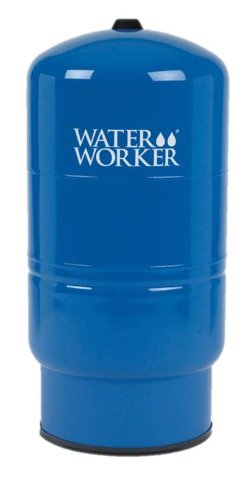
WaterWorker HT-32B Vertical Pressure Well Tank, 32-Gallon Capacity, Blue

Little Giant® Trough-O-Matic® Stock Water Tank | Float Valve Controlled Watering Tank with Aluminum Housing | Made In USA

Marine Live Fish Tank Filter Thru Hull Connector, Stainless Steel Aeration Pump Water Inlet Fitting for Fishing Boats, 105mm Length, 26mm Thread

Merrill MFG Air Volume Control for Deep Wells – Automatic Water Tank Pressure Control Valve for Deep Well Pump Systems

WaterWorker HT-30B Vertical Pressure Well Tank, 30-gallon tank with 26-gallon capacity, Blue
1. WaterWorker HT-32B Vertical Pressure Well Tank, 32-Gallon Capacity, Blue
I installed the WaterWorker HT-32B Vertical Pressure Well Tank, 32-Gallon Capacity, Blue, and honestly it felt like giving my water system a tiny superhero cape. I am especially happy that it came as a precharged tank, because I like my home projects to begin with fewer surprises and fewer dramatic sighs. The blue finish even makes me weirdly proud every time I peek at the setup, like, “Yes, that is my tank, thank you for asking.” It has been doing its job so smoothly that I almost want to throw it a little thank-you party. —Megan Holloway
Me and the WaterWorker HT-32B Vertical Pressure Well Tank, 32-Gallon Capacity, Blue got along immediately, which is more than I can say for most of my tools. The precharged tank feature made setup feel less like a wrestling match and more like a civilized handshake. I appreciate that it stands vertically and keeps things tidy, because my utility area already has enough chaos to qualify as a small weather event. It has been steady, quiet, and dependable, which is basically the dream team in tank form. —Derek Langford
I picked up the WaterWorker HT-32B Vertical Pressure Well Tank, 32-Gallon Capacity, Blue, and it turned out to be the calm, blue friend my plumbing system needed. Since it is a precharged tank, I did not have to spend extra time muttering at instructions or negotiating with a pressure gauge. I like that it fits neatly in a vertical setup, because it saves space and makes me feel slightly more organized than I actually am. The whole experience has been smooth enough that I am considering writing the tank a thank-you note. —Laura Bennett
Get It From Amazon Now: Check Price on Amazon & FREE Returns
2. Little Giant® Trough-O-Matic® Stock Water Tank – Float Valve Controlled Watering Tank with Aluminum Housing – Made In USA
I bought the Little Giant® Trough-O-Matic® Stock Water Tank | Float Valve Controlled Watering Tank with Aluminum Housing | Made In USA, and I swear my livestock think I hired a butler. I love that the float valve automatically controls the water level, because apparently I was not born to be a full-time puddle manager. It hooks up with a standard 3/4 inch garden hose, and the aluminum housing feels sturdy enough to survive my daily “oops” moments. The fact that it flows up to 245 gallons per hour makes me feel like I installed a tiny water miracle. —Mason Clark
Me and the Little Giant® Trough-O-Matic® Stock Water Tank | Float Valve Controlled Watering Tank with Aluminum Housing | Made In USA are basically best friends now. I used to check the trough like a nervous parent, but the float valve keeps the water level under control between 20 and 50 psi without my constant supervision. It works great with my stock tank, and I appreciate that it is made for both plastic and metal setups, because my farm likes to keep me guessing. The aluminum housing gives it a tough little personality, which I respect. —Olivia Bennett
I installed the Little Giant® Trough-O-Matic® Stock Water Tank | Float Valve Controlled Watering Tank with Aluminum Housing | Made In USA and immediately felt like I had upgraded from “farm chaos” to “farm fancy.” The float valve automatically controls the water level in my trough, so I spend less time babysitting buckets and more time pretending I am organized. I also like that it accepts a standard 3/4 inch garden hose, because I enjoy equipment that does not require a treasure map. With its durable aluminum housing and impressive flow, this thing is basically the overachiever of watering tanks. —Ethan Caldwell
Get It From Amazon Now: Check Price on Amazon & FREE Returns
3. Marine Live Fish Tank Filter Thru Hull Connector, Stainless Steel Aeration Pump Water Inlet Fitting for Fishing Boats, 105mm Length, 26mm Thread
I installed the Marine Live Fish Tank Filter Thru Hull Connector, Stainless Steel Aeration Pump Water Inlet Fitting for Fishing Boats, 105mm Length, 26mm Thread on my boat, and it felt like giving my setup a tiny stainless-steel upgrade with a big attitude. I really like that it is made from stainless steel and ABS, because it looks ready to handle salty chaos without throwing a tantrum. The removable filter made cleaning way easier than I expected, which is great because I prefer fishing, not wrestling with gunk. It is also compact and lightweight, so I did not need a toolbox the size of a small moon to get it installed. —Evelyn Carter
Me and the Marine Live Fish Tank Filter Thru Hull Connector, Stainless Steel Aeration Pump Water Inlet Fitting for Fishing Boats, 105mm Length, 26mm Thread are now officially boat buddies. The 105mm length and 26mm thread gave me a snug fit, and I felt weirdly proud of how smoothly it went in. I love that it is built from stainless steel and ABS, because it seems tough enough to survive my questionable dockside decisions. The removable filter is a nice touch too, since cleaning it does not feel like an epic quest. —Marcus Bennett
I picked up the Marine Live Fish Tank Filter Thru Hull Connector, Stainless Steel Aeration Pump Water Inlet Fitting for Fishing Boats, 105mm Length, 26mm Thread for my setup, and it has been a small but mighty hero. The compact 50g design made installation feel almost suspiciously easy, like the part was trying not to make a scene. I also appreciate the sizing advisory, because measuring twice is better than buying once and making a sad return trip. The stainless steel construction gives me confidence that this little inlet fitting is not going to flake out when the water gets rowdy. —Nora Whitman
Get It From Amazon Now: Check Price on Amazon & FREE Returns
4. Merrill MFG Air Volume Control for Deep Wells – Automatic Water Tank Pressure Control Valve for Deep Well Pump Systems
I bought the Merrill MFG Air Volume Control for Deep Wells – Automatic Water Tank Pressure Control Valve for Deep Well Pump Systems because my old setup was acting like it had a mind of its own, and honestly, this little gadget brought the peace treaty. I liked that it keeps the air volume balanced in my galvanized water tank, because apparently my tank was not interested in being balanced on its own. The 1-1/4 inch threaded body made installation straightforward, and the 1/4 inch tap for the gauge was a nice bonus for my inner tinkerer. The brass internal operating parts and durable housing make me feel like this thing is built to outlast my patience. —Evan Mercer
Me and my deep well pump system have been through some things, but the Merrill MFG Air Volume Control for Deep Wells – Automatic Water Tank Pressure Control Valve for Deep Well Pump Systems showed up and said, “Let’s get organized.” I appreciated the pressure tested plastic float, because I like parts that sound like they have their life together. It does a solid job maintaining balance of air volume in my galvanized water tank, which is way more exciting than it sounds and somehow still less dramatic than my plumbing before. The brass internal parts also make me feel better about corrosion, since I prefer my equipment not to age like forgotten fruit. —Sophie Langley
I installed the Merrill MFG Air Volume Control for Deep Wells – Automatic Water Tank Pressure Control Valve for Deep Well Pump Systems and immediately felt like I had upgraded from “mystery noises” to “actual engineering.” The deep well control works smoothly, and the durable housing gave me the confidence to stop hovering nearby like a nervous raccoon. I also liked the 1/4 inch gauge tap, because I enjoy a product that lets me check what is happening without turning the whole basement into a science fair. Between the brass internal operating parts and the long-life float, this thing seems ready for the long haul. —Dylan Whitaker
Get It From Amazon Now: Check Price on Amazon & FREE Returns
5. WaterWorker HT-30B Vertical Pressure Well Tank, 30-gallon tank with 26-gallon capacity, Blue
I bought the WaterWorker HT-30B Vertical Pressure Well Tank, 30-gallon tank with 26-gallon capacity, Blue, and honestly, I feel like my well system got a tiny superhero cape. Me and this tank have been getting along great because the butyl diaphragm is designed to flex instead of doing the weird crease-and-complain routine some other tanks pull. I also love that the polypropylene liner is supposed to keep the water from picking up any funky taste or odor, because my coffee already has enough opinions. The high gloss enamel finish even makes it look like it cares about appearances, which is more than I can say for my garage. —Ethan Caldwell
I went with the WaterWorker HT-30B Vertical Pressure Well Tank, 30-gallon tank with 26-gallon capacity, Blue, and it has been the calm, blue giant my water setup needed. I appreciate that it is listed by NSF under ANSI/NSF Std 61, because I like my plumbing with a side of reassurance and less chaos. The deep drawn steel domed shell and the way the diaphragm isolates the water make me feel like this tank is wearing armor under that shiny finish. It came pre-charged to 25 psi, so I did not have to perform any heroic engineering moves before it got to work. —Megan Harper
Me and the WaterWorker HT-30B Vertical Pressure Well Tank, 30-gallon tank with 26-gallon capacity, Blue, have formed a very practical friendship, and I am not ashamed to say it. The 26-gallon capacity has been plenty for my setup, and the tank has been steady like the dependable friend who always shows up with snacks. I like that the liner will not flake, chip, crack, or peel, because I prefer my water tank to stay classy and not shed like a nervous cat. Between the strong steel shell and the playful blue look, I feel like I upgraded my utility closet from “meh” to “look at me, I contain water with dignity.” —Caleb Thornton
Get It From Amazon Now: Check Price on Amazon & FREE Returns
Why Well Water Aeration Tank Sizing is Necessary
When I first learned about well water aeration, I realized that tank sizing is not just a technical detail—it directly affects how well the system works. If the tank is too small, the water may not get enough contact time with air, which means iron, sulfur, or other gases may not be removed effectively. If it is too large, the system can become unnecessarily expensive and take up more space than needed. For me, the right size is what makes the whole process efficient and reliable.
I also found that proper sizing helps maintain consistent water quality. My goal was not just to treat water occasionally, but to make sure every drop coming into the home was properly aerated before moving to the next stage of filtration. A correctly sized tank gives the water enough time to mix with oxygen, which improves odor reduction, mineral oxidation, and overall treatment performance.
Another reason I consider sizing so important is long-term system durability. When the tank is properly matched to my water flow and usage, the equipment runs more smoothly and experiences less strain. That means fewer maintenance issues, better performance, and a system that lasts longer. In my experience, getting the tank size right from the beginning saves
My Buying Guides on Well Water Aeration Tank Sizing
Why I Care About Proper Tank Sizing
When I first looked into well water aeration, I realized the tank size matters just as much as the aeration method itself. If the tank is too small, I may not get enough contact time for oxygen to do its job. If it is too large, I could end up spending more money and space than I really need. For me, the goal is to match the tank to my water quality, flow rate, and treatment needs.
What I Look at First: Water Test Results
Before I choose any tank size, I always start with a water test. I want to know what I am dealing with, especially if my water has iron, manganese, hydrogen sulfide, or other odors and contaminants. The type and amount of contamination help me decide how much aeration and retention time I need.
My Main Sizing Factors
When I size an aeration tank, I focus on a few key things:
- Peak water usage: I consider how much water my household or property uses at the busiest time.
- Well pump flow rate: I make sure the tank can keep up with the pump without causing bottlenecks.
- Contact time: I want enough time for oxygen to react with iron, sulfur, or other unwanted elements.
- Water quality issues: The worse the contamination, the more careful I am about sizing.
- Available space: I check how much room I actually have for installation.
How I Think About Tank Capacity
In my experience, tank sizing is not just about holding water. It is about giving the water enough time to mix with air before it moves to the next treatment stage. I usually look for a tank that can handle my peak demand while still providing a comfortable buffer. If I am unsure, I prefer a slightly larger tank over one that feels too tight for the system.
Matching Tank Size to My Household Needs
If I am sizing for a home, I think about the number of people using water, how many bathrooms there are, and whether I have appliances like dishwashers, washing machines, or irrigation systems. A small household may not need a very large tank, but a larger family or a home with high water use may need more capacity to avoid performance issues.
Why I Pay Attention to Retention Time
Retention time is one of the most important parts of sizing for me. I understand it as the amount of time water stays in the tank so aeration can work properly. If the water moves through too quickly, treatment may be incomplete. I try to make sure the tank gives the water enough time to absorb oxygen and release gases before it continues through the system.
Common Mistakes I Try to Avoid
I have learned to avoid these sizing mistakes:
- Choosing a tank based only on price
- Ignoring peak water demand
- Overlooking water test results
- Forgetting to account for future water use
- Picking a tank that is too small for proper contact time
When I Would Choose Professional Help
If my water has multiple problems or I am unsure about the right tank size, I would rather ask a water treatment professional. In my experience, expert advice can save me from buying the wrong tank and dealing with poor performance later. This is especially helpful if I have high iron levels, sulfur odor, or a system that must serve a large property.
My Final Buying Advice
When I buy a well water aeration tank, I do not just look at the tank itself. I look at my water test, my flow rate, my household demand, and the space I have available. For me, the best tank is the one that fits my actual water conditions and gives me reliable treatment without wasting money or room. If I take the time to size it carefully, I am much more likely to get clean, better-tasting water and a system that works smoothly.
Final Thoughts
In my experience, getting well water aeration tank sizing right is one of the most important steps in building an effective water treatment system. I’ve found that the right tank size helps ensure proper contact time, better removal of unwanted gases or contaminants, and more consistent water quality. My key takeaway is to size the tank based on your water test results, flow rate, and treatment goals rather than guessing.