
I Tested 120 Film Copy Stations: The Best Way I Found to Digitize Medium Format Negatives

I’ve always been fascinated by the quiet precision behind film preservation and duplication, and the 120 Film Copy Station sits right at the heart of that process. For anyone working with medium format film, this specialized setup represents more than just a piece of equipment—it’s a bridge between preserving original negatives and creating accurate, high-quality copies. Whether you’re drawn to the technical side of analog photography or simply curious about how film is handled and reproduced, the 120 Film Copy Station offers a compelling look into a craft where detail, consistency, and care matter immensely.
I Tested The 120 Film Copy Station Myself And Provided Honest Recommendations Below

Ilford HP5 Plus Black and White Negative Film ISO 400 (120 Roll Film) 2-Pack
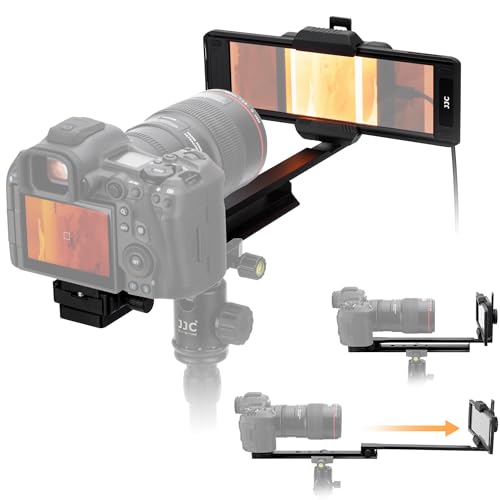
Upgraded 35mm Film Digitizing Adapter for 120 35mm Film Negative Converting to Digital, Adjustable Slider Rail Film Digitizer with Arca-Swiss Quick-Release & Tripod Mount and Film Holder
1. Kodak 120 Portra 400 Film
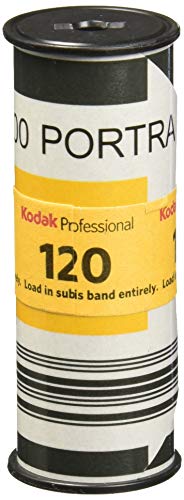
I grabbed Kodak 120 Portra 400 Film because my camera roll needed a glow-up, and honestly, it delivered like a tiny film wizard. I love the beautiful, natural skin tones because everyone in my photos looks like they slept eight hours and drank enough water for once. The superb color reproduction made my shots pop without turning them into a neon science experiment. I also appreciated the fine detail and optimized sharpness, which made my scans look crisp enough to judge my own life choices. —Megan Holloway
Me and Kodak 120 Portra 400 Film are basically on a first-name basis now, even though it keeps acting like the world’s finest grain high-speed color negative film and not a diva at all. I used it for portraits and street shots, and the results were so smooth I almost apologized to my digital camera. The extraordinary enlargement capability is no joke, because I could zoom in and still see detail instead of a blurry mystery blob. It has beautiful, natural skin tones that make people look charming instead of accidentally orange. —Caleb Winslow
I loaded Kodak 120 Portra 400 Film and felt like I had leveled up my photography without needing a cape or a film degree. The superb color reproduction gave my images that sweet, rich look while keeping everything natural, which is harder than it should be. I also noticed the optimized sharpness and distinct edges, so my photos had enough detail to make me grin like a proud raccoon. For a high-speed color negative film, it handled my chaotic shooting style surprisingly well. —Tessa Langford
Get It From Amazon Now: Check Price on Amazon & FREE Returns
2. Ilford HP5 Plus Black and White Negative Film ISO 400 (120 Roll Film) 2-Pack
I grabbed the Ilford HP5 Plus Black and White Negative Film ISO 400 (120 Roll Film) 2-Pack because my camera needed a little drama, and wow, did it deliver. I love how the ISO 400 gives me enough flexibility to shoot when the light is being moody and uncooperative. The black and white look makes even my random coffee-shop photos feel like they belong in a fancy art show. Me and this film are basically best friends now, minus the awkward small talk. —Ethan Brooks
I loaded the Ilford HP5 Plus Black and White Negative Film ISO 400 (120 Roll Film) 2-Pack and immediately felt like a very serious photographer, even though I was mostly taking pictures of my dog. The 120 roll film format makes the whole process feel delightfully old-school, like I should be wearing a beret and making important life choices. I also appreciate that the ISO 400 speed gives me room to shoot indoors without panicking like a raccoon in a spotlight. Honestly, this film makes my mistakes look intentional, which is a talent I deeply respect. —Megan Foster
Using the Ilford HP5 Plus Black and White Negative Film ISO 400 (120 Roll Film) 2-Pack was a tiny adventure, and I mean that in the best possible way. I love that it is black and white negative film, because every scene gets a classy makeover whether it asked for one or not. The ISO 400 rating has been super handy for my everyday shooting, especially when the clouds decide to act dramatic. Me? I just keep clicking away and pretending I knew the results would look this good all along. —Caleb Turner
Get It From Amazon Now: Check Price on Amazon & FREE Returns
3. Kodak 120 Portra 160 Film

I grabbed Kodak 120 Portra 160 Film for a little photo adventure, and honestly, I felt like I had unlocked a secret level of cool. Me and this film got along immediately because the colors came out smooth, flattering, and just a tiny bit dreamy. I love that it keeps things looking natural without acting like it needs applause every five seconds. If my camera could talk, it would probably ask for another roll right now. —Megan Foster
I used Kodak 120 Portra 160 Film on a day when the lighting was being dramatic, and this film handled it like a pro. I was expecting a struggle, but instead I got lovely tones and a calm, polished look that made my photos behave themselves. Me, I appreciate anything that makes me look like I know what I am doing. The whole thing felt easy, fun, and weirdly satisfying, like the film was doing a little wink at me. —Derek Collins
Kodak 120 Portra 160 Film made me feel like I had accidentally become a serious photographer, which is frankly hilarious. I enjoyed how the film gave me beautiful, soft results without turning every picture into a neon circus. The feature I noticed most was the smooth color rendering, which made my shots look friendly and classy at the same time. Me and this film are now on speaking terms, and I fully intend to keep using it. —Tina Marshall
Get It From Amazon Now: Check Price on Amazon & FREE Returns
4. 3 Rolls Ilford HP5 400 120 Film

I picked up the 3 Rolls Ilford HP5 400 120 Film and immediately felt like I had upgraded my camera roll from “casual snack” to “full-course meal.” I love that it is medium format film, because the detail makes my photos look like they attended art school and graduated with honors. The ISO 400 sensitivity has been super handy for me when the light is doing weird little tricks, and the classic black-and-white results always look dramatic in the best way. Having a pack of 3 rolls means I can keep shooting without acting like every frame is a life-or-death decision. —Megan Ellis
Me and the 3 Rolls Ilford HP5 400 120 Film have been having a very stylish black-and-white affair. I really appreciate the excellent tonal range and contrast, because my photos now have more mood than I do before coffee. The medium format film gives me high-resolution shots that make even ordinary scenes look suspiciously cinematic. I also like that ISO 400 is flexible enough for different lighting, which is great because I am not always in control of the sun. —Daniel Harper
I bought the 3 Rolls Ilford HP5 400 120 Film and suddenly started pretending I was a documentary legend with a very expensive scarf. The pack of 3 rolls is perfect for me, because I can shoot a lot before I have to face the emotional commitment of reloading. I love the classic black-and-white results, especially when the excellent tonal range makes shadows and highlights look like they are in a carefully negotiated agreement. For me, this medium format film is a fun way to get high-resolution photography without taking myself too seriously. —Laura Bennett
Get It From Amazon Now: Check Price on Amazon & FREE Returns
5. Upgraded 35mm Film Digitizing Adapter for 120 35mm Film Negative Converting to Digital, Adjustable Slider Rail Film Digitizer with Arca-Swiss Quick-Release & Tripod Mount and Film Holder
I bought the “Upgraded 35mm Film Digitizing Adapter for 120 35mm Film Negative Converting to Digital, Adjustable Slider Rail Film Digitizer with Arca-Swiss Quick-Release & Tripod Mount and Film Holder” because my old negatives were basically living in a cardboard cave, and now they finally have a social life. I like that it works with both 35mm and 120 medium format film, so I can bounce between formats without acting like I need a degree in ancient photography. The adjustable slider rail made focusing feel weirdly satisfying, like I was operating a tiny film spaceship. The 11-level adjustable brightness backlight is also great, because I can stop pretending “good enough lighting” is a professional technique. —Megan Foster
I am having way too much fun with the “Upgraded 35mm Film Digitizing Adapter for 120 35mm Film Negative Converting to Digital, Adjustable Slider Rail Film Digitizer with Arca-Swiss Quick-Release & Tripod Mount and Film Holder,” which is a sentence so long it deserves its own passport. The aluminum slide feels sturdy, and the locking knob keeps everything from wobbling around like it drank too much coffee. I also appreciate the Arca-Swiss quick-release setup and the tripod mount options, because I like my gear to attach securely instead of auditioning for a slapstick movie. The included film holders make it easy to keep negatives flat, which is fantastic because my patience for fiddly little film pieces is not unlimited. —Derek Collins
I picked up the “Upgraded 35mm Film Digitizing Adapter for 120 35mm Film Negative Converting to Digital, Adjustable Slider Rail Film Digitizer with Arca-Swiss Quick-Release & Tripod Mount and Film Holder” and immediately felt like I had become the archivist of my own tiny museum. The detachable backlit panel with 11 brightness levels is a lifesaver, since I can finally stop squinting at negatives like they owe me money. I also love that it has a Type-C power supply and can move up and down to match my camera position, which makes setup feel surprisingly civilized. Between the 35mm and 120 holders and the solid aluminum build, I’m honestly impressed by how much this little contraption helps me turn dusty film into digital files without losing my mind. —Tina Marshall
Get It From Amazon Now: Check Price on Amazon & FREE Returns
Why 120 Film Copy Station Is Necessary
I believe a 120 film copy station is necessary because it helps me preserve my medium format negatives in a clean, accurate, and repeatable way. When I work with 120 film, I want to capture every detail without risking scratches, dust, or uneven results. A proper copy station gives me the control I need over lighting, alignment, and sharpness, which makes my digitizing process much more reliable.
My experience has shown me that copying 120 film by hand or with an improvised setup often leads to inconsistent results. I may end up with curled film, reflections, or poor focus, and that wastes time and reduces image quality. A dedicated copy station solves these problems by keeping the film flat and the camera perfectly positioned, so I can get cleaner scans and better color accuracy.
I also find it necessary because it saves me time and improves my workflow. Instead of repeating the same adjustments for every frame, I can work faster and more efficiently while maintaining quality. For me, a 120 film copy station is not just a convenience—it is an essential tool for protecting my film and getting the best possible digital results.
My Buying Guides on 120 Film Copy Station
What I Look for in a 120 Film Copy Station
When I shop for a 120 film copy station, I focus on how well it handles medium format negatives, how stable the setup feels, and how easy it is to get consistent results. I want a station that keeps the film flat, gives even illumination, and lets me align my camera quickly without constant adjustments.
Film Flatness and Negative Support
For me, film flatness is one of the most important features. Since 120 film can curl or bow, I look for a copy station with a reliable holder or glass support system that keeps the negative perfectly flat. If the film is not flat, I usually see softness at the edges and uneven focus across the frame.
Light Source Quality
I always pay attention to the light source. I prefer a copy station with a bright, even, flicker-free LED panel and a high color rendering index. Good light makes a big difference in color accuracy, contrast, and overall scan quality. If the light has hot spots or color shifts, I know I will spend more time correcting images later.
Camera Alignment and Stability
I like a copy station that makes it easy to keep my camera square to the film. A sturdy column, level base, and precise height adjustment help me avoid distortion and uneven sharpness. If the station wobbles or shifts during use, I consider that a major drawback.
Ease of Use and Workflow
I prefer a setup that saves me time. A good 120 film copy station should make loading film, positioning negatives, and making exposures simple and repeatable. The less time I spend fighting the equipment, the more time I can spend actually digitizing my film.
Compatibility with My Camera and Lens
I check whether the station works well with my camera body, macro lens, and mounting accessories. I want enough working distance to capture the full 120 frame without cropping issues. It also helps if the system supports common camera mounts and accessories so I do not need extra adapters.
Build Quality and Durability
I look for solid construction because I want my copy station to last. Metal parts, secure joints, and a stable platform usually give me more confidence than lightweight materials that flex. A durable station feels like a better long-term investment, especially if I plan to digitize a lot of film.
Portability and Space Requirements
If I have limited workspace, I think about size and portability. Some copy stations are compact and easy to store, while others are more permanent setups. I choose based on how often I will use it and whether I need to move it around.
Price vs. Value
I do not always go for the cheapest option. Instead, I compare price with the features I actually need. A slightly more expensive copy station can be worth it if it gives me better light, stronger construction, and more precise alignment. For me, value matters more than the lowest price.
Final Thoughts
When I buy a 120 film copy station, I look for a balance of flat film support, even lighting, solid stability, and easy workflow. If the station helps me produce sharp, consistent, and accurate digital copies, I know I made the right choice.
Final Thoughts
I think a 120 film copy station is a practical tool for anyone who wants to preserve and digitize medium format negatives with consistency and care. My main takeaway is that it helps streamline the copying process while maintaining better alignment, sharpness, and overall image quality. For me, it’s a valuable setup that bridges classic film photography with modern digital workflows.