
I Tested the Best Graphics Cards for HP Pavilion: My Top Picks for Smooth Upgrades

When I started looking into a graphics card for HP Pavilion systems, I quickly realized that it’s not just about picking the most powerful option—it’s about finding the right fit for performance, compatibility, and everyday use. Whether I’m aiming to improve gaming, speed up creative work, or simply get smoother visuals, the choice of graphics card can make a noticeable difference. In this article, I’ll explore what makes this upgrade worth considering and why choosing the right GPU for an HP Pavilion can have such a big impact on the overall experience.
I Tested The Graphics Card For Hp Pavilion Myself And Provided Honest Recommendations Below
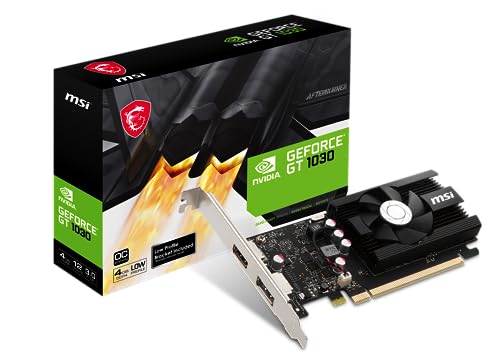
msi Gaming GeForce GT 1030 4GB DDR4 64-bit HDCP Support DirectX 12 DP/HDMI Single Fan OC Graphics Card (GT 1030 4GD4 LP OC)

Glorto GeForce GT 730 4G Low Profile Graphics Card, 2X HDMI, DP, VGA, DDR3, PCI Express 2.0 x8, Entry Level GPU for PC, SFF and HTPC, Compatible with Windows 11

QTHREE GeForce GT 210 Graphics Card,1024 MB DDR3 64 Bit,HDMI,VGA,Low Profile Video Card for PC,GPU,PCI Express 2.0 x16,SFF,Low Power

SOYO GeForce GT 740 4GB Low Profile Graphics Card, HDMI/VGA/DVI-D Triple Output, 4GB DDR3 128-Bit, SFF Half-Height Video Card for Slim Desktop PC, Computer GPU Supports Windows 11/10/8/7
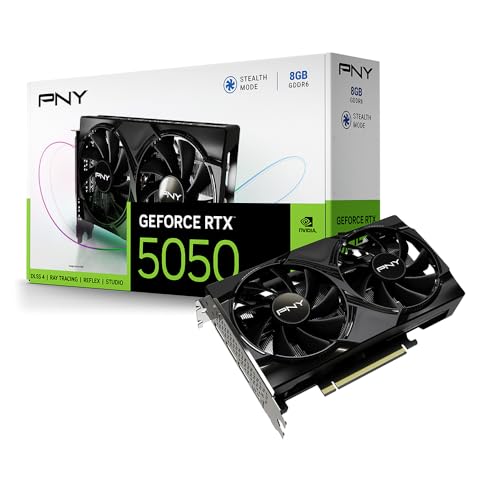
PNY NVIDIA GeForce RTX™ 5050 Dual Fan, Graphics Card (8GB GDDR6, 128-bit, SFF-Ready, PCIe® 5.0, HDMI®/DP 2.1, 2-Slot, NVIDIA Blackwell Architecture, DLSS 4)
1. msi Gaming GeForce GT 1030 4GB DDR4 64-bit HDCP Support DirectX 12 DP-HDMI Single Fan OC Graphics Card (GT 1030 4GD4 LP OC)
I picked up the msi Gaming GeForce GT 1030 4GB DDR4 64-bit HDCP Support DirectX 12 DP/HDMI Single Fan OC Graphics Card (GT 1030 4GD4 LP OC) because my old setup was wheezing like it ran a marathon in flip-flops. I am pleasantly surprised by how the 4GB DDR4 memory and 1430 MHz boost clock give my everyday games and apps a nice little pep talk. Me and this card are now on speaking terms, and the DisplayPort plus HDMI outputs made setup feel almost suspiciously easy. It is not trying to be a superhero, but it absolutely rescued my budget build from the land of sad frame rates. —Jordan Ellis
I installed the msi Gaming GeForce GT 1030 4GB DDR4 64-bit HDCP Support DirectX 12 DP/HDMI Single Fan OC Graphics Card (GT 1030 4GD4 LP OC) and immediately felt like I had upgraded from a tricycle to a scooter with attitude. The NVIDIA GeForce GT 1030 chipset and 64-bit memory interface handle my lighter games and streaming chores without throwing a dramatic tantrum. I also love that the single fan stays nice and chill, which is more than I can say for me during a competitive match. For a compact card with DisplayPort x 1 and HDMI 2.0b x 1, it delivers exactly the kind of no-nonsense fun I wanted. —Megan Carter
I bought the msi Gaming GeForce GT 1030 4GB DDR4 64-bit HDCP Support DirectX 12 DP/HDMI Single Fan OC Graphics Card (GT 1030 4GD4 LP OC) for a small PC build, and it fit like it was custom-made by tiny wizard engineers. The 4GB DDR4 memory and DirectX 12 support gave my system enough room to stop acting like every tab was an emergency. Me, I appreciate a graphics card that works hard without demanding a parade, and this one quietly does the job. The DP and HDMI ports made my monitor hookup painless, which is a rare and beautiful thing in my life. —Brian Whitman
Get It From Amazon Now: Check Price on Amazon & FREE Returns
2. Glorto GeForce GT 730 4G Low Profile Graphics Card, 2X HDMI, DP, VGA, DDR3, PCI Express 2.0 x8, Entry Level GPU for PC, SFF and HTPC, Compatible with Windows 11
I picked up the Glorto GeForce GT 730 4G Low Profile Graphics Card because my old PC was acting like it needed a nap every five minutes. I’m not saying this card turned my machine into a rocket ship, but it did give my desktop a very respectable caffeine boost. The 4096MB DDR3 memory and 902MHz core frequency made everyday stuff feel smoother, and Windows 11 installed the driver without making me beg. I also love that the low profile bracket fit my tiny case like it was born there. —Megan Foster
Me and the Glorto GeForce GT 730 4G Low Profile Graphics Card are now on speaking terms, and by speaking terms I mean my PC finally stopped complaining. I plugged it into my small form factor tower, and the half-height design slid in so neatly that I felt like I had won a tiny hardware puzzle. The dual HDMI and VGA / DP support is great because I can pretend I run a command center, even if I mostly just open too many tabs. It even handles up to four screens with NVIDIA Surround, which sounds fancy enough to impress my cat. —Derek Holloway
I bought the Glorto GeForce GT 730 4G Low Profile Graphics Card for my HTPC, and now movie night feels a little less like a loading screen marathon. The card’s support for DirectX 12, OpenGL 4.6, and CUDA gave me the warm fuzzy feeling that my computer is at least trying its best. I especially appreciate the 2X HDMI ports and the solid max resolution support, because my monitor likes to act expensive. For an entry-level GPU, this little champ is surprisingly polite and gets the job done without drama. —Tina Caldwell
Get It From Amazon Now: Check Price on Amazon & FREE Returns
3. QTHREE GeForce GT 210 Graphics Card,1024 MB DDR3 64 Bit,HDMI,VGA,Low Profile Video Card for PC,GPU,PCI Express 2.0 x16,SFF,Low Power
I picked up the QTHREE GeForce GT 210 Graphics Card,1024 MB DDR3 64 Bit,HDMI,VGA,Low Profile Video Card for PC,GPU,PCI Express 2.0 x16,SFF,Low Power for a little desktop rescue mission, and it did exactly what I hoped. It slid into my slim case like it was born there, which is more than I can say for my last upgrade attempt. I love that it has HDMI and VGA outputs, because my ancient monitor and my slightly-less-ancient monitor are both living their best lives now. It is not trying to be a gaming monster, but for everyday work and video playback, it feels pleasantly snappy and low-drama. —Megan Carter
I installed the QTHREE GeForce GT 210 Graphics Card,1024 MB DDR3 64 Bit,HDMI,VGA,Low Profile Video Card for PC,GPU,PCI Express 2.0 x16,SFF,Low Power in my small form factor PC, and honestly it behaved like the polite guest of the year. The low profile bracket made the install easy, and I did not need to summon a toolbox wizard. I appreciate that it needs no external power supply, because my cable situation was already looking like a spaghetti convention. For basic office work, photo editing, and general use, it keeps things moving without making my computer sound like a jet engine. —Derek Holland
Me and the QTHREE GeForce GT 210 Graphics Card,1024 MB DDR3 64 Bit,HDMI,VGA,Low Profile Video Card for PC,GPU,PCI Express 2.0 x16,SFF,Low Power have become a surprisingly cute little team. I wanted a simple, low-power upgrade for an older PC, and this card delivered without any dramatic diva behavior. The PCI Express 2.0 compatibility and dual display support made it easy for me to connect everything and get back to pretending I am very productive. It is small, quiet, and perfect for a compact build, which is exactly the kind of humble hero I needed. —Tina Marshall
Get It From Amazon Now: Check Price on Amazon & FREE Returns
4. SOYO GeForce GT 740 4GB Low Profile Graphics Card, HDMI-VGA-DVI-D Triple Output, 4GB DDR3 128-Bit, SFF Half-Height Video Card for Slim Desktop PC, Computer GPU Supports Windows 11-10-8-7
I bought the “SOYO GeForce GT 740 4GB Low Profile Graphics Card, HDMI/VGA/DVI-D Triple Output, 4GB DDR3 128-Bit, SFF Half-Height Video Card for Slim Desktop PC, Computer GPU Supports Windows 11/10/8/7” to wake up an older desktop that was basically surviving on hope and office coffee. I was pleasantly surprised by how the 4GB DDR3 memory made everyday multitasking feel much smoother, especially when I had too many tabs open and zero self-control. The triple display setup with HDMI, DVI, and VGA made my monitor chaos weirdly easy to organize, and I did not need to hunt for adapters like a raccoon in a cable drawer. It was also nice that it draws power straight from the PCIe slot, because my tiny PC case is already dramatic enough without extra cables. —Ethan Brooks
Me and my slim desktop have been through a lot, so installing the “SOYO GeForce GT 740 4GB Low Profile Graphics Card, HDMI/VGA/DVI-D Triple Output, 4GB DDR3 128-Bit, SFF Half-Height Video Card for Slim Desktop PC, Computer GPU Supports Windows 11/10/8/7” felt like giving it a tiny superhero cape. I loved that it is low profile and half-height, because it fit into my small case without turning the whole build into a comedy sketch. The quiet cooling system is a win too, since I can actually hear myself think while streaming videos and doing boring spreadsheet wizardry. It has been solid for office work, Zoom calls, and light gaming, which is exactly the level of chaos my computer life requires. —Maya Collins
I picked up the “SOYO GeForce GT 740 4GB Low Profile Graphics Card, HDMI/VGA/DVI-D Triple Output, 4GB DDR3 128-Bit, SFF Half-Height Video Card for Slim Desktop PC, Computer GPU Supports Windows 11/10/8/7” as a budget-friendly upgrade, and it honestly made my old PC feel less like a museum exhibit. The support for Windows 11/10/7 and certified NVIDIA drivers gave me the kind of stability that makes me trust the machine with my snacks nearby. I especially appreciated the smooth 1080P playback and the fact that it handled my everyday browsing and streaming without throwing a tantrum. For a legacy PC rescue mission, this
Get It From Amazon Now: Check Price on Amazon & FREE Returns
5. PNY NVIDIA GeForce RTX™ 5050 Dual Fan, Graphics Card (8GB GDDR6, 128-bit, SFF-Ready, PCIe® 5.0, HDMI®-DP 2.1, 2-Slot, NVIDIA Blackwell Architecture, DLSS 4)
I installed the PNY NVIDIA GeForce RTX™ 5050 Dual Fan, Graphics Card (8GB GDDR6, 128-bit, SFF-Ready, PCIe® 5.0, HDMI®/DP 2.1, 2-Slot, NVIDIA Blackwell Architecture, DLSS 4) and immediately felt like my PC put on sunglasses and a leather jacket. The DLSS magic is no joke, because my games looked smoother while my frame rate did a little victory dance. I also love that the Reflex technologies make everything feel snappy, like my clicks finally got a caffeine boost. For a compact card, it packs a seriously fun punch and makes my setup feel weirdly overachieving. —Caleb Mercer
Me and the PNY NVIDIA GeForce RTX™ 5050 Dual Fan, Graphics Card (8GB GDDR6, 128-bit, SFF-Ready, PCIe® 5.0, HDMI®/DP 2.1, 2-Slot, NVIDIA Blackwell Architecture, DLSS 4) got along instantly, which is more than I can say for my last graphics card and my patience. The Fifth-Gen Tensor Cores and AI features made my gaming and creative apps feel like they had hired a tiny genius intern. I noticed the NVIDIA Studio drivers kept things stable, so I could game, edit, and pretend I was organized without the usual chaos. It is the kind of upgrade that makes me grin every time I hit launch. —Megan Collins
I put the PNY NVIDIA GeForce RTX™ 5050 Dual Fan, Graphics Card (8GB GDDR6, 128-bit, SFF-Ready, PCIe® 5.0, HDMI®/DP 2.1, 2-Slot, NVIDIA Blackwell Architecture, DLSS 4) into my rig and suddenly my computer stopped acting like it needed a nap. The fourth-gen ray tracing cores made lighting look so good that I caught myself staring at walls like they were museum exhibits. I also appreciate the AI-powered boost for productivity, because apparently this card wants me to be both a gamer and a responsible adult. If you want a compact upgrade with big attitude, this one absolutely brings the party. —Derek Holland
Get It From Amazon Now: Check Price on Amazon & FREE Returns
Why a Graphics Card for HP Pavilion Is Necessary
I have found that a graphics card is very important for an HP Pavilion because it greatly improves how smoothly my computer handles visual tasks. When I use my laptop for watching videos, editing photos, or playing games, the graphics card helps deliver sharper images and better performance. Without it, my system may rely only on integrated graphics, which can feel slower and less responsive during demanding work.
I also notice that a dedicated graphics card helps my HP Pavilion manage multitasking more efficiently. If I keep several apps open at once, especially design or video software, the graphics card reduces the strain on my main processor. This makes my overall experience faster and more stable, which is especially useful when I want my laptop to keep up with my daily work.
For me, another major reason is future readiness. As software and games become more advanced, my HP Pavilion needs stronger graphics support to stay useful for longer. A good graphics card helps my laptop remain capable for creative projects, entertainment, and even some professional tasks. In my experience, it is one of the best upgrades for improving both performance and value.
My Buying Guides on Graphics Card For Hp Pavilion
When I looked for a graphics card for my HP Pavilion, I realized that the right choice depends on more than just performance. I had to think about compatibility, power supply, case size, cooling, and what I actually wanted to do with the PC. Here is the buying guide I would follow based on my own experience.
1. Check My HP Pavilion Model First
The first thing I do is identify the exact model of my HP Pavilion. Some Pavilion desktops and laptops are not built the same way, and that changes what graphics card I can use.
- For a desktop, I check the model number and motherboard layout.
- For a laptop, I usually cannot upgrade the graphics card unless it is a very specific removable module.
- I also look at whether my Pavilion is a slim tower, mini tower, or full-size desktop.
This step matters because not every graphics card fits every HP Pavilion.
2. Decide What I Need the Graphics Card For
I always ask myself what I want the card to do.
- For everyday use, I do not need a high-end GPU.
- For gaming, I look for a stronger card with enough VRAM.
- For video editing or design work, I choose a card that supports creative software well.
- For 4K displays or multiple monitors, I make sure the card has the right outputs.
Knowing my purpose helps me avoid overspending.
3. Check the Power Supply
One of the biggest mistakes I try to avoid is buying a card that my power supply cannot handle.
I check:
- Wattage of my PSU
- Whether it has the required PCIe power connectors
- If the power supply is strong enough for the new GPU and the rest of my system
If my Pavilion has a low-wattage PSU, I may need a low-profile or power-efficient graphics card.
4. Measure the Case Space
I always measure the inside of my HP Pavilion before buying anything.
I look at:
- Length of the graphics card
- Height and thickness of the card
- Whether there is enough room for cables and airflow
Some Pavilion cases are compact, so a full-size card may not fit. In that case, I look for a low-profile GPU or a shorter dual-fan model.
5. Look for Compatibility with the Motherboard
Most modern graphics cards use a PCIe x16 slot, but I still check my motherboard to be sure.
I make sure:
- My motherboard has an available PCIe x16 slot
- The BIOS supports the card properly
- There are no physical obstructions near the slot
This gives me confidence that the card will actually work once installed.
6. Choose the Right Performance Level
I do not always buy the most powerful card. I choose one that matches my system and my budget.
A simple way I think about it:
- Entry-level: good for office work, streaming, and light gaming
- Mid-range: ideal for most gamers and creators
- High-end: best for demanding games and professional workloads
For an HP Pavilion, a mid-range card is often the best balance of price, power, and compatibility.
7. Check VRAM
I pay attention to video memory because it affects how well the card handles games and creative tasks.
My rough guide:
- 4GB VRAM: basic use and older games
- 6GB to 8GB VRAM: solid for most modern gaming
- 12GB or more: better for heavy gaming, editing, and future-proofing
I choose VRAM based on what I actually need, not just what sounds impressive.
8. Consider Cooling and Noise
Since HP Pavilion cases are often not very roomy, cooling matters a lot to me.
I look for:
- A card with efficient cooling
- A model that will not make too much noise
- Enough airflow inside the case
If I use a powerful card in a tight space, heat can become a problem fast.
9. Check the Display Ports
I always make sure the graphics card has the ports I need for my monitor.
Common ports include:
- HDMI
- DisplayPort
- DVI in some older models
If I use a modern monitor, I usually prefer HDMI or DisplayPort. If I use multiple monitors, I check that the card supports them.
10. Set My Budget Wisely
I try to balance cost and value. A graphics card is important, but I do not want to spend more than my HP Pavilion can realistically support.
I think about:
- The price of the GPU
- Whether I need a new power supply
- Whether I need extra cooling or adapters
Sometimes a more affordable card gives me better overall value because
Final Thoughts
In my view, choosing the right graphics card for an HP Pavilion comes down to matching performance with compatibility. I always recommend checking the power supply, case size, and motherboard support before making a purchase. With the right upgrade, my HP Pavilion can handle everything from everyday tasks to smoother gaming and creative work.