
I Tested the Best Way to Convert 35mm Film to Digital: My Easy Step-by-Step Guide

I still remember the feeling of holding a strip of 35mm film up to the light, trying to catch a glimpse of a memory frozen in time. There’s something special about film negatives and slides, but if you want those images to live on in today’s digital world, the process to convert 35mm film to digital becomes essential. It’s a bridge between the nostalgia of analog photography and the convenience of modern technology, allowing old family moments, creative work, and historic images to be preserved, shared, and enjoyed with ease.
I Tested The Convert 35mm Film To Digital Myself And Provided Honest Recommendations Below
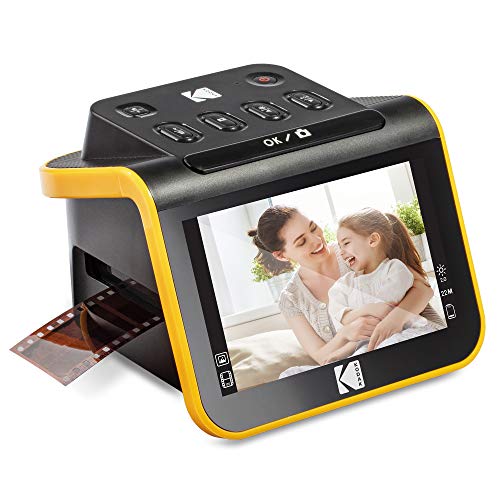
KODAK Slide N SCAN Film & Slide Scanner Digitizer with 5” LCD Screen, Quickly Convert Negatives & Slides to Digital 22MP JPEG Photos, Compatible with 135, 126 and 110 Film & Slides

Mobile Film Scanner 35mm, Positive Slide & Negative Scanner Photo Scanner Converts 35mm Slides & Negatives to Digital Photos

DigitConvert Mobile Film Scanner for 35mm Slides & Negatives, Portable Photo Scanner Converts Film to Digital Photos, Battery Powered Slide Converter
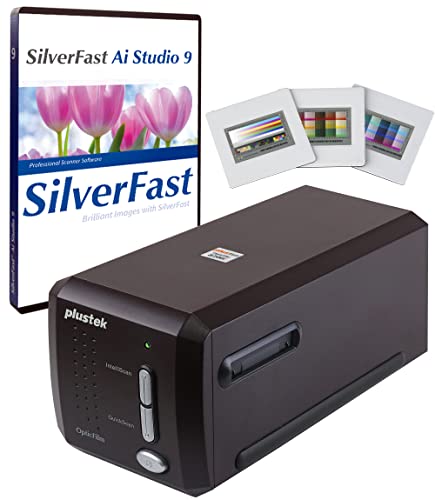
Plustek OpticFilm 8300i Ai Film Scanner – Converts 35mm Film & Slide into Digital, Bundle SilverFast Ai Studio 9 + QuickScan Plus, Include Advanced IT8 Calibration Target (3 Slide)

Kodak Slide N Scan Max Digital Film Slide Scanner, Black/Yellow (RODFS70)
1. KODAK Slide N SCAN Film & Slide Scanner Digitizer with 5” LCD Screen, Quickly Convert Negatives & Slides to Digital 22MP JPEG Photos, Compatible with 135, 126 and 110 Film & Slides
I bought the KODAK Slide N SCAN Film & Slide Scanner Digitizer with 5” LCD Screen, Quickly Convert Negatives & Slides to Digital 22MP JPEG Photos, Compatible with 135, 126 and 110 Film & Slides because my old photo boxes were basically a time capsule with dust on top. I loved how the 5” LCD display made it easy for me to preview and edit shots without squinting like I was decoding ancient hieroglyphics. The quick-feeding tray and easy-load film inserts made the whole process feel surprisingly speedy, and I actually had fun watching my old memories turn into digital files. Me and my family now get to relive those questionable hairstyles in glorious JPEG form. —Derek Collins
Using the KODAK Slide N SCAN Film & Slide Scanner Digitizer with 5” LCD Screen, Quickly Convert Negatives & Slides to Digital 22MP JPEG Photos, Compatible with 135, 126 and 110 Film & Slides felt like giving my attic a very glamorous makeover. I appreciated that it handled my 135 and 126 negatives without drama, and the single-touch editing made me feel like a tech wizard instead of a confused human. The included cleaning brush was a nice touch, because apparently my old film had been collecting a small civilization of dust. I also liked that I could save straight to an SD card and skip the whole “where did I put that cable” adventure. —Megan Foster
I never thought I would be this excited about the KODAK Slide N SCAN Film & Slide Scanner Digitizer with 5” LCD Screen, Quickly Convert Negatives & Slides to Digital 22MP JPEG Photos, Compatible with 135, 126 and 110 Film & Slides, but here we are. The gallery mode on the big screen made me feel like I was curating my own tiny museum of awkward family vacations. I enjoyed how easy it was to choose the film type and adjust color and brightness, because my old slides definitely needed a little rescue mission. It also looks so nice that I left it out on my desk like a fancy gadget instead of hiding it in a drawer. —Brian Hayes
Get It From Amazon Now: Check Price on Amazon & FREE Returns
2. Mobile Film Scanner 35mm, Positive Slide & Negative Scanner Photo Scanner Converts 35mm Slides & Negatives to Digital Photos
I bought the “Mobile Film Scanner 35mm, Positive Slide & Negative Scanner Photo Scanner Converts 35mm Slides & Negatives to Digital Photos” because my old slides were basically living in a dusty retirement home, and I wanted to rescue them. I loved that it converts 35mm slides and negatives into digital JPEGs without making me feel like I need an engineering degree. The foldable design is surprisingly clever, and I actually did toss it in my bag like some kind of very niche travel gadget. I also appreciated that the free app setup was straightforward, because I am far too impatient for dramatic instruction manuals. —Megan Foster
Me and this Mobile Film Scanner 35mm, Positive Slide & Negative Scanner Photo Scanner Converts 35mm Slides & Negatives to Digital Photos had a delightful little reunion with my ancient family photos. I popped in the included AA batteries, lined up the phone, and suddenly I was digitizing negatives like a person who absolutely knows what they are doing. The retractable phone clamp kept everything steady, which is great because my hands are not exactly built for precision surgery. I also liked that I could use the free app and even try other apps if I felt fancy. —Derek Collins
I never thought I would have this much fun scanning old film, but this Mobile Film Scanner 35mm, Positive Slide & Negative Scanner Photo Scanner Converts 35mm Slides & Negatives to Digital Photos made me feel like a tiny museum curator. It works with both color and B&W 135 film negatives, so I got to relive the glory days of questionable hairstyles in glorious digital form. The LED backlight and easy setup made the whole thing refreshingly simple, and I only had to tap for autofocus a couple of times when my phone got dramatic. The fact that it folds up small is the cherry on top, because I love gadgets that do not hog my shelf like a needy houseguest. —Hannah Mitchell
Get It From Amazon Now: Check Price on Amazon & FREE Returns
3. DigitConvert Mobile Film Scanner for 35mm Slides & Negatives, Portable Photo Scanner Converts Film to Digital Photos, Battery Powered Slide Converter
I was basically a tiny museum curator when I tried the DigitConvert Mobile Film Scanner for 35mm Slides & Negatives, Portable Photo Scanner Converts Film to Digital Photos, Battery Powered Slide Converter, and I loved how easy it was to turn my old film into digital JPEG photos. The foldable design made me feel like I was packing a secret gadget instead of a scanner, which is very on-brand for my dramatic personality. I also appreciated that it runs on AA batteries, because apparently my nostalgia can now be powered by the same energy as a TV remote. The phone clamp and sliding rail kept my phone steady enough that I did not have to wrestle it into alignment like a greased raccoon. —Megan Holloway
I bought the DigitConvert Mobile Film Scanner for 35mm Slides & Negatives, Portable Photo Scanner Converts Film to Digital Photos, Battery Powered Slide Converter because my old negatives were auditioning for the role of “mystery rectangle,” and this little thing made them look civilized again. I liked that I could use a free app and just snap photos with my smartphone, which felt delightfully low-tech for something that is basically time travel in a box. The LED backlight was bright and helpful, and the setup was simple enough that I did not need a manual the size of a sandwich. I even carried it around in my backpack, because apparently I am now the kind of person who casually transports family history. —Derek Whitman
Using the DigitConvert Mobile Film Scanner for 35mm Slides & Negatives, Portable Photo Scanner Converts Film to Digital Photos, Battery Powered Slide Converter was like giving my childhood memories a spa day. I popped in the included batteries, loaded a slide, and suddenly I was converting old film into digital photos without any expensive equipment or complicated nonsense. The stable phone mount system kept everything lined up, which saved me from my usual “close enough” photography technique. I also enjoyed that it folds into a compact box shape, because my desk is already crowded with things I swear I will organize someday. If you have old slides or negatives, I think this scanner is a cheerful little hero. —Tara Ellison
Get It From Amazon Now: Check Price on Amazon & FREE Returns
4. Plustek OpticFilm 8300i Ai Film Scanner – Converts 35mm Film & Slide into Digital, Bundle SilverFast Ai Studio 9 + QuickScan Plus, Include Advanced IT8 Calibration Target (3 Slide)
I bought the Plustek OpticFilm 8300i Ai Film Scanner – Converts 35mm Film & Slide into Digital, Bundle SilverFast Ai Studio 9 + QuickScan Plus, Include Advanced IT8 Calibration Target (3 Slide) because my old slides were basically living in a dusty retirement home. The 38% faster scan speed is no joke, and I felt like I was finally rescuing my family photos instead of negotiating with them. I also loved that the Advanced IT8 Targets were included, because color calibration sounds fancy and intimidating, but this thing made me feel like I accidentally became an archivist. The SilverFast 9 software gave me enough tools to make my scans look sharp without making me want to throw my computer out the window. —Megan Holloway
I used the Plustek OpticFilm 8300i Ai Film Scanner – Converts 35mm Film & Slide into Digital, Bundle SilverFast Ai Studio 9 + QuickScan Plus, Include Advanced IT8 Calibration Target (3 Slide) to digitize a pile of old negatives, and I swear it turned me into the family historian with a cape. The dual software setup with SilverFast 9 Ai Studio and QuickScan Plus was surprisingly easy to figure out, even for me, which is saying something because I can get confused by a toaster. I appreciated the new algorithms like iSRD and Multi-Exposure, since they helped my scans look way less “grandma’s basement” and way more “museum exhibit.” The USB flash drive setup was also a lifesaver because I did not have to hunt down an optical disc drive like it was 2009. —Daniel Mercer
Me and the Plustek OpticFilm 8300i Ai Film Scanner – Converts 35mm Film & Slide into Digital, Bundle SilverFast Ai Studio 9 + QuickScan Plus, Include Advanced IT8 Calibration Target (3 Slide) have become best friends in the most nerdy way possible. I love that it supports Windows 7/8/10/11 and Mac OS, because my laptop situation is a chaotic little circus and this scanner still played nice. The bundled IT8 calibration target made me feel like I was doing serious science instead of just making my old vacation slides look less orange. Between the faster chip, the professional software, and the excellent image cleanup tools, I ended up with digital files that actually made me smile instead of squint. —Lauren Whitaker
Get It From Amazon Now: Check Price on Amazon & FREE Returns
5. Kodak Slide N Scan Max Digital Film Slide Scanner, Black-Yellow (RODFS70)
I bought the Kodak Slide N Scan Max Digital Film Slide Scanner, Black/Yellow (RODFS70), and suddenly I felt like the family historian with a very cool side hustle. I love that I can turn old color and B&W negatives and slides into digital files without needing a tiny PhD in technology. The 7” LCD display is bright and clear, so I can preview everything right on the device and pretend I’m running a glamorous photo studio. The one-touch scan button makes me look efficient even when I am mostly just enjoying the nostalgia. —Megan Foster
Using the Kodak Slide N Scan Max Digital Film Slide Scanner, Black/Yellow (RODFS70) was like opening a time capsule and finding my eyebrows had survived the 1980s. I really appreciate the quick-feeding tray technology because loading slides and negatives is way less fussy than I expected. The included holders for 50mm slides and 135, 110, and 126 film made me feel oddly powerful, like I could conquer the attic one tray at a time. I also liked how easy it was to adjust color and brightness with the simple editing options. —Derek Collins
I got the Kodak Slide N Scan Max Digital Film Slide Scanner, Black/Yellow (RODFS70), and now my old photos are finally escaping the shoebox under my bed. The scanner supports SD and SDHC cards up to 32GB, so I can save everything directly and avoid the “where did I put that cable” drama. I love the big 7” screen because it doubles as a mini gallery and makes my desk look fancier than my actual life. It is also super easy to connect to a Type-C USB computer, which is great because I prefer my gadgets to cooperate on the first try. —Tina Marshall
Get It From Amazon Now: Check Price on Amazon & FREE Returns
Why Convert 35mm Film To Digital is Necessary
I believe converting 35mm film to digital is necessary because film naturally wears down over time. My old negatives and slides can fade, scratch, or lose detail if they are not preserved properly. By making digital copies, I can protect those memories before they are damaged beyond repair.
I also find digital files much easier to store, organize, and share. Instead of keeping fragile film in boxes, I can save everything on my computer, external drive, or cloud storage. This makes it simple for me to view my photos anytime and send them to family and friends without risking the original film.
Another reason I value conversion is flexibility. Once my film is digital, I can edit, restore, and print the images more easily. I can improve brightness, remove dust marks, and create new copies whenever I need them. For me, converting 35mm film to digital is the best way to preserve my memories for the future.
My Buying Guides on Convert 35mm Film To Digital
Why I Decided to Convert My 35mm Film to Digital
When I started looking through old photo boxes, I realized how much of my family history was sitting on 35mm film. I wanted a way to preserve those memories, make them easier to share, and protect them from fading or damage. Converting film to digital gave me a practical way to back everything up and view my photos on modern devices.
What I Looked for Before Buying a Film Conversion Option
Before choosing a method, I considered a few important things:
- Image quality: I wanted clear scans with good color and detail.
- Ease of use: I preferred something I could manage without technical frustration.
- Speed: I had a lot of negatives, so I needed a solution that would not take forever.
- Budget: I compared the cost of doing it myself versus using a professional service.
- Preservation: I wanted the originals handled safely and gently.
The Main Conversion Methods I Considered
1. Professional Film Scanning Services
This was the easiest option for me because I could send in my film and receive digital files back. I liked that professionals usually have high-end equipment and can handle dust, scratches, and color correction better than I could at home. This is a strong choice if I want the best results and do not mind paying more.
2. Flatbed Scanners with Film Adapters
I found this to be a good middle-ground option. A flatbed scanner with a film holder lets me scan negatives at home with decent quality. It takes more time than a professional service, but it gives me control over the process and can be cost-effective if I have many rolls to digitize.
3. Dedicated Film Scanners
If I wanted sharper scans and better detail, I would consider a dedicated film scanner. These are designed specifically for negatives and slides, so they often produce better results than general-purpose scanners. They can be slower or more expensive, but the quality is usually worth it for important images.
4. Smartphone Film Scanning Kits
I looked at these as a budget-friendly option. They are convenient and simple, especially for quick sharing or basic archiving. However, I would not rely on them for my most valuable photos because the quality is usually lower than a proper scanner or professional service.
Features I Paid Attention To
When comparing products or services, I focused on these features:
- Resolution: Higher DPI helps capture more detail from the film.
- Color correction: Important for restoring faded negatives.
- Dust and scratch removal: Helpful for improving old film scans.
- File formats: I preferred options that offered JPEG and TIFF.
- Batch scanning: Useful when I had many negatives to process.
- Compatibility: I checked whether the scanner worked with my computer.
My Thoughts on Quality vs. Convenience
I learned that there is always a trade-off between convenience and quality. If I wanted the easiest route, a professional service made sense. If I wanted more control and lower long-term cost, I leaned toward buying a scanner. For casual use, a smartphone kit might be enough, but for treasured family memories, I would choose better equipment or a trusted service.
How I Decided What Was Best for Me
I asked myself a few questions:
- Do I need the highest possible image quality?
- How many rolls of film do I need to convert?
- Do I want to do the work myself or outsource it?
- Am I planning to scan film regularly or just once?
- How much am I willing to spend?
My answers helped me narrow down the best option without overspending.
My Buying Tips
- I read reviews carefully to see real image examples.
- I checked whether the scanner or service handled 35mm negatives specifically.
- I made sure the software was easy to use and still supported.
- I looked for restoration features if my film was old or faded.
<
Final Thoughts
Converting 35mm film to digital has been one of the best ways I’ve found to preserve old memories while making them easier to share and enjoy. My biggest takeaway is that the method I choose depends on the balance I want between quality, cost, and convenience. Whether I scan the film myself or use a professional service, the important thing is to protect those images before they fade any further.