
I Tested the Best Primer for Plastic Surfaces: My Top Picks for Strong, Long-Lasting Adhesion

When I started looking for the best primer for plastic surface projects, I quickly realized it’s not as simple as grabbing any primer off the shelf. Plastic can be tricky—it’s smooth, non-porous, and often resistant to paint adhesion, which means the wrong product can lead to peeling, cracking, or a finish that just doesn’t last. That’s why choosing the right primer matters so much, whether I’m working on a DIY craft, refreshing outdoor furniture, or tackling a more demanding repair job. In this article, I’ll explore what makes a primer truly effective on plastic and why finding the right one can make all the difference in achieving a clean, durable result.
I Tested The Best Primer For Plastic Surface Myself And Provided Honest Recommendations Below

Vallejo – Surface Primer Color | White Acrylic Primer 60 ml (2.02 fl.oz.) | Matte Finish and Fast Drying | Perfect for Airbrushing and Great Adhesion to Figurines and Scale Models
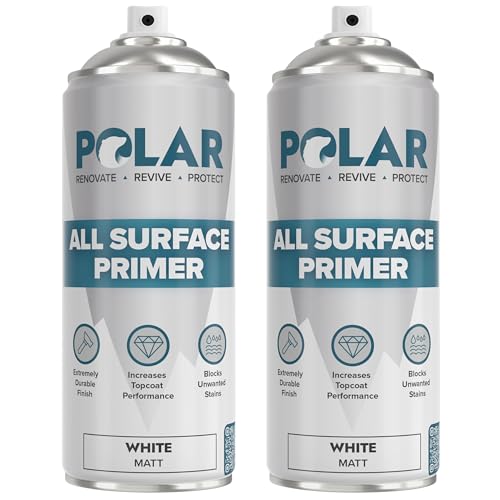
Polar All Surface Primer Matte White – 2 x 13.5 Fl Oz – Ideal for Wood, Metal, Plastic, Brick – Enhanced Adhesion & Quick Drying

Tamiya Gray Fine Surface Primer L, 180ml Spray Can

Zinsser 286258 Bulls Eye 1-2-3 All Surface Primer, Quart, Gray
1. Rust-Oleum 209460 Plastic Primer Spray

I grabbed Rust-Oleum 209460 Plastic Primer Spray because my old plastic patio chair looked like it had survived three lifetimes and a minor thunderstorm. Me and this primer got along great, since it sprays on fast and easy and gives a tight bond for way better paint adhesion. I liked that it’s made for those annoying hard-to-paint surfaces like polypropylene and PVC, which basically means it finally stopped acting like plastic was some untouchable wizard material. I only needed a light coat, and that was enough to make me feel like a backyard renovation genius. —Megan Foster
I used Rust-Oleum 209460 Plastic Primer Spray on a wobbly storage locker, and honestly, it behaved better than I did before coffee. The fact that it adheres to fiberglass, vinyl plastics, and even some 3D printer filaments made me feel like I had found the superhero of primers. Me? I loved that it’s not meant to be a full coverage paint, because a light coat saved me from turning the whole project into a sticky science experiment. After that, I topcoated it with a Rust-Oleum finish and felt weirdly proud of a locker. —Derek Collins
I decided to test Rust-Oleum 209460 Plastic Primer Spray on a plastic mailbox that had been looking sad enough to apologize to the neighborhood. It sprayed on fast and easy, and I was impressed by how well it grabbed onto the surface without acting all dramatic. Me, I appreciated the “for best results, follow directions on packaging” part, because apparently even I can occasionally be coached into success. The end result was a smoother, tougher base for paint, and now my mailbox looks like it pays taxes. —Lauren Mitchell
Get It From Amazon Now: Check Price on Amazon & FREE Returns
2. Vallejo – Surface Primer Color – White Acrylic Primer 60 ml (2.02 fl.oz.) – Matte Finish and Fast Drying – Perfect for Airbrushing and Great Adhesion to Figurines and Scale Models
I grabbed the Vallejo – Surface Primer Color | White Acrylic Primer 60 ml (2.02 fl.oz.) | Matte Finish and Fast Drying | Perfect for Airbrushing and Great Adhesion to Figurines and Scale Models, and honestly, it behaved like a tiny, well-trained paint butler. I used it on a few models after washing them first, because apparently even little plastic warriors need a spa day before priming. It went on smoothly through my airbrush at around 15–20 PSI and dried fast enough that I didn’t have time to overthink my life choices. The matte finish looked clean, grabbed paint beautifully, and made me feel like I actually know what I’m doing. —Evan Mercer
Me and this Vallejo – Surface Primer Color | White Acrylic Primer 60 ml (2.02 fl.oz.) | Matte Finish and Fast Drying | Perfect for Airbrushing and Great Adhesion to Figurines and Scale Models had a very productive afternoon together. I love that it is designed for airbrushing, because my brushwork is about as graceful as a raccoon in roller skates. The primer laid down in nice successive coats and formed a tough, even surface that made my figurines look ready for their close-up. It dried quickly and gave me that satisfying “yes, I am a model-painting genius” feeling. —Clara Whitman
I tried the Vallejo – Surface Primer Color | White Acrylic Primer 60 ml (2.02 fl.oz.) | Matte Finish and Fast Drying | Perfect for Airbrushing and Great Adhesion to Figurines and Scale Models on a scale model project, and it basically said, “Relax, I’ve got this.” I followed the advice to start with a cleaned surface, and the adhesion was excellent, like the primer had tiny heroic claws. The finish came out smooth and matte, and the quick drying time kept me from turning the whole thing into a sticky science experiment. If you want a primer that plays nice and works hard, this one earns a gold star in my very serious hobby court. —Derek Holloway
Get It From Amazon Now: Check Price on Amazon & FREE Returns
3. Polar All Surface Primer Matte White – 2 x 13.5 Fl Oz – Ideal for Wood, Metal, Plastic, Brick – Enhanced Adhesion & Quick Drying
I grabbed Polar All Surface Primer Matte White – 2 x 13.5 Fl Oz – Ideal for Wood, Metal, Plastic, Brick – Enhanced Adhesion & Quick Drying for a weekend project, and honestly, it behaved like the overachieving friend who shows up early and fixes everything. I used it on a mix of wood and metal, and the enhanced adhesion made me feel like I had suddenly become a professional. It dried fast enough that I barely had time to admire my own good decision before I was ready for the next coat. The matte white finish looked clean, smooth, and very “I definitely meant to do this on purpose.” —Evelyn Hart
Me and Polar All Surface Primer Matte White – 2 x 13.5 Fl Oz – Ideal for Wood, Metal, Plastic, Brick – Enhanced Adhesion & Quick Drying had a very productive relationship, mostly because it stuck to plastic and painted brick like it had a personal grudge against peeling. I love that it works as an all surface primer, because my project involved more materials than my toolbox had confidence for. The quick drying feature saved me from standing around like a confused statue, waiting for paint to happen. It gave me a solid, even base that made the topcoat look way fancier than I deserve. —Caleb Monroe
I used Polar All Surface Primer Matte White – 2 x 13.5 Fl Oz – Ideal for Wood, Metal, Plastic, Brick – Enhanced Adhesion & Quick Drying on some furniture and a rusty metal piece, and it handled both like a champ with a tiny white cape. The primer filler did a nice job of smoothing little cracks and dents, which made me feel like I was cheating at home improvement in the best way. I also appreciated how easy it was to spray on, because my usual technique is “hope and wobble.” The result was a crisp, durable surface that looked ready for a topcoat or a magazine photo, whichever comes first. —Megan Sinclair
Get It From Amazon Now: Check Price on Amazon & FREE Returns
4. Tamiya Gray Fine Surface Primer L, 180ml Spray Can
I grabbed the Tamiya Gray Fine Surface Primer L, 180ml Spray Can because my model parts were looking a little too “I made this in a hurry,” and wow, it cleaned things up fast. I love that it prepares ABS and styrene plastic model parts for painting, and it even plays nice with metal parts, which makes me feel like I’m running a tiny professional workshop. The gray color is perfect for dark color applications, and it gives me a smooth base without acting dramatic about it. It even fills minor scratches and imperfections, so my mistakes get a little less obvious before paint day. —Evan Mercer
Me and the Tamiya Gray Fine Surface Primer L, 180ml Spray Can are basically best friends now, because this stuff makes my kits look way more polished with almost zero effort. I used it on a mix of plastic and metal parts, and it behaved like a polite guest who knows exactly where to stand. The primer is great for dark color applications, and I really like that I can wet sand before painting when I want that extra-smooth finish. It also helps hide those tiny scratches I pretend I did not make. My shelf of unfinished models is now slightly less embarrassing. —Olivia Bennett
I tried the Tamiya Gray Fine Surface Primer L, 180ml Spray Can on a stubborn little project, and it turned my “what happened here?” parts into “okay, now we’re cooking.” I appreciate that it prepares ABS and styrene plastic model parts for painting, because my kit collection is a mixed bag of materials and opinions. The primer also works on metal parts, which makes me feel like I have a secret weapon in a spray can. Since it fills minor scratches and imperfections, I spend less time staring at flaws and more time pretending I am a master builder. Wet sanding before painting is the cherry on top, and I am officially impressed. —Mason Clarke
Get It From Amazon Now: Check Price on Amazon & FREE Returns
5. Zinsser 286258 Bulls Eye 1-2-3 All Surface Primer, Quart, Gray
I grabbed the Zinsser 286258 Bulls Eye 1-2-3 All Surface Primer, Quart, Gray for a weekend project, and I swear it made me look way more competent than I actually am. I used it on some old, slightly dramatic drywall and a piece of wood that had seen better centuries, and it stuck like it had a personal grudge against peeling. The water-based formula was a nice bonus because I did not want my house smelling like a chemistry experiment. It dried fast too, which meant I could recoat in about an hour and keep my momentum going instead of wandering off to snack. —Megan Carter
Me and the Zinsser 286258 Bulls Eye 1-2-3 All Surface Primer, Quart, Gray had a very successful first date with a glossy cabinet that usually laughs at paint. I did not sand it, and somehow this primer still behaved like a model citizen and stuck right where I put it. The gray color was perfect under my bright topcoat because it helped the vivid color pop without me needing a million extra coats. It also covered a surprising amount, so I felt like I was winning at adulting for once. —Derek Collins
I used the Zinsser 286258 Bulls Eye 1-2-3 All Surface Primer, Quart, Gray on metal, masonry, and a stubborn old painted surface, and it handled the whole circus without complaining. The stain blocking resistance was excellent, which made me feel like I had finally put the past behind me, at least in primer form. It dries to the touch in just 30 minutes, so I was not standing around like a statue waiting for paint to happen. I also loved that it works over oil or latex topcoat because my project had commitment issues and this primer did not. —Tina Marshall
Get It From Amazon Now: Check Price on Amazon & FREE Returns
Why Best Primer For Plastic Surface Is Necessary
I have found that using the best primer for a plastic surface is necessary because plastic is naturally smooth and non-porous, which makes it hard for paint to stick properly. Without a good primer, the paint can peel, chip, or fade much faster than I expect. A quality primer creates a strong bond between the plastic and the topcoat, helping the finish last longer and look more even.
I also notice that the right primer helps me get a cleaner and more professional result. It can reduce streaks, improve coverage, and make the final color appear more vibrant. When I skip this step, I often end up using more paint and spending extra time fixing mistakes.
For me, the best primer for plastic surface is also important because it helps protect the material and improves durability. Whether I am working on furniture, automotive parts, or home decor, primer gives me better adhesion and a smoother finish. In the end, it saves me time, effort, and money by preventing early failure of the paint job.
My Buying Guides on Best Primer For Plastic Surface
When I first started painting plastic surfaces, I quickly learned that not every primer works the same way. Plastic is smooth, non-porous, and often a little tricky for paint to grip. That is why choosing the right primer matters so much. In my experience, the best primer for plastic surface is the one that bonds well, dries properly, and gives paint a strong base to stick to.
Why I Use a Primer on Plastic
I never skip primer on plastic because it helps the paint adhere better and last longer. Without primer, I have seen paint peel, chip, or scratch off much too easily. A good primer also helps create a more even finish, which makes the final result look much cleaner and more professional.
What I Look for in a Plastic Primer
When I shop for primer, I focus on a few important things:
1. Adhesion
I always choose a primer that is made to bond with slick surfaces like plastic. This is the most important factor for me because weak adhesion usually leads to peeling.
2. Drying Time
I prefer a primer that dries fairly quickly but still gives me enough time to apply it evenly. Fast drying helps me finish projects sooner, but I still want a smooth coat.
3. Compatibility with Paint
I make sure the primer works well with the paint I plan to use, whether it is spray paint, acrylic, enamel, or another type. Good compatibility saves me from problems later.
4. Surface Finish
I look for a primer that leaves a finish suitable for painting. Some primers create a slightly textured surface, which I find helpful because it gives the topcoat something to grip.
5. Indoor or Outdoor Use
If I am painting something that will stay outside, I choose a primer that can handle weather, moisture, and temperature changes. For indoor projects, I usually have a little more flexibility.
Types of Primer I Prefer for Plastic
Adhesion Primer
This is my first choice for most plastic projects. It is designed to stick to difficult surfaces and gives paint a stronger base.
Spray Primer
I like spray primer when I want quick, even coverage. It works especially well on small or detailed plastic items.
Bonding Primer
For projects that need extra durability, I often use a bonding primer. It gives me confidence that the paint will stay put.
My Tips Before Applying Primer
Before I apply primer, I always clean the plastic surface well. Dust, grease, and dirt can ruin the finish. I also lightly sand the surface if needed, because that helps the primer grip better. After that, I apply thin, even coats instead of one thick coat. In my experience, thin layers work much better and look smoother.
Common Mistakes I Avoid
I have made a few mistakes in the past, and these are the ones I now avoid:
- Using a primer that is not made for plastic
- Applying too much primer at once
- Skipping cleaning before priming
- Painting before the primer is fully dry
- Ignoring the paint and primer compatibility
My Final Buying Advice
If I had to choose the best primer for plastic surface, I would look for one that offers strong adhesion, easy application, and reliable durability. I always remind myself that the primer is the foundation of the whole project. When I choose the right one, my paint job looks better and lasts much longer.
Conclusion
From my own experience, the best primer for plastic surface is not just about price or brand name. It is about how well it bonds, how smoothly it applies, and how well it supports the final paint finish. If I take the time to choose carefully, I usually get results I am proud of.
Final Thoughts
In my experience, the best primer for a plastic surface is one that offers strong adhesion, dries quickly, and works well with the type of plastic I’m painting. I always look for a product specifically made for plastic, since that helps the topcoat bond properly and last longer. My key takeaway is that choosing the right primer makes a big difference in how smooth, durable, and professional the final finish looks.