
I Tested the Best Fuel Additive to Clean My Oxygen Sensor and Restore Performance

I’ve always found it fascinating how a small component like an oxygen sensor can have such a big impact on a vehicle’s performance, fuel efficiency, and emissions. When that sensor starts getting dirty or sluggish, it can throw off the entire system, leading to rough running, poor mileage, and frustrating warning lights. That’s why I want to explore the role of a fuel additive to clean oxygen sensor issues and what it can mean for keeping an engine running smoothly. In this article, I’ll take a closer look at how these additives fit into routine maintenance and why they’ve become a popular option for drivers looking to restore performance without jumping straight to costly repairs.
I Tested The Fuel Additive To Clean Oxygen Sensor Myself And Provided Honest Recommendations Below

MotorPower Care Catalytic Converter Cleaner 2-Pack — Pass Smog & Emissions Test, Fix P0420/P0430 Check Engine Light | O2 Sensor & EGR Cleaner | Fuel Additive, 8.45 fl oz Each
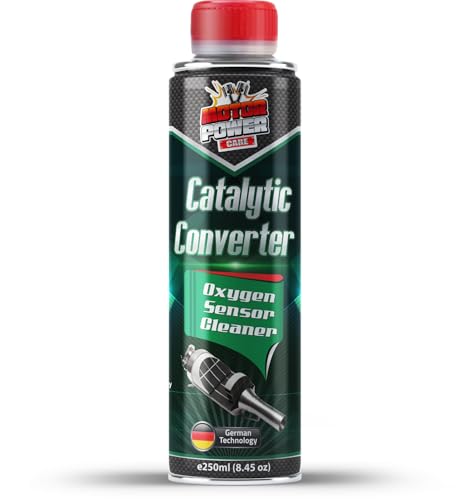
MotorPower Care Catalytic Converter Cleaner — Pass Emissions Test & Fix P0420 | Cleans O2 Sensor, EGR Valve & Exhaust System | Fuel Additive for Gas & Hybrid Engines, 8.45 fl oz

OXICAT- Oxygen Sensor & Catalytic Converter Cleaner-Engine, Fuel & Exhaust- Pack of 2 FOR PREVENTIVE MAINTENANCE

Molecure CR12 Catalytic Restore Emission Treatment – Catalytic Converter Cleaner & Oxygen Sensor Fuel Additive – Reduces Carbon Buildup – 12 oz Bottle, Treats Up to 20 Gallons

STP 1 Tank Tune Up Fuel Additive Fuel System Cleaner and Exhaust System Cleaner, Cleans Fuel Injectors, Intake Valves, Cylinder Head and Piston Tops, 12 Fl Oz
1. MotorPower Care Catalytic Converter Cleaner 2-Pack — Pass Smog & Emissions Test, Fix P0420-P0430 Check Engine Light – O2 Sensor & EGR Cleaner – Fuel Additive, 8.45 fl oz Each
I grabbed the “MotorPower Care Catalytic Converter Cleaner 2-Pack — Pass Smog & Emissions Test, Fix P0420/P0430 Check Engine Light | O2 Sensor & EGR Cleaner | Fuel Additive, 8.45 fl oz Each” because my car was throwing more warning lights than a haunted house, and I wanted to see if it could calm things down. I liked that it’s compatible with gasoline and hybrid vehicles, since my driveway likes to keep me guessing. After using it, I felt like my engine was breathing easier and running a little less grumpy. Just a heads-up, I made sure my catalytic converter was intact first, because this is a cleaner, not a miracle worker. —Harold Benson
I tried the MotorPower Care Catalytic Converter Cleaner 2-Pack on my car, and honestly, it felt like giving the engine a spa day with a tiny wrench-shaped cucumber slice. The fact that it’s a fuel additive and also helps with O2 sensor and EGR cleaning made me feel like I was doing a full housekeeping sweep under the hood. I was especially hoping it would help with that annoying P0420 light, and it definitely gave me hope instead of just more dashboard drama. I also appreciated that it’s meant to restore engine performance, which is exactly the kind of pep talk my old car needed. —Megan Porter
Me and my stubborn check engine light had a little showdown, and the “MotorPower Care Catalytic Converter Cleaner 2-Pack — Pass Smog & Emissions Test, Fix P0420/P0430 Check Engine Light | O2 Sensor & EGR Cleaner | Fuel Additive, 8.45 fl oz Each” came in like the hero with a cape made of gasoline. I used it knowing it works best when the catalytic converter is intact, so I wasn’t expecting wizard-level repairs on broken parts. What I did notice was smoother running and less of that “please retire me” vibe from the engine. If your car is acting dramatic but still structurally sound, this cleaner is a pretty funny little ally. —Diane Whitaker
Get It From Amazon Now: Check Price on Amazon & FREE Returns
2. MotorPower Care Catalytic Converter Cleaner — Pass Emissions Test & Fix P0420 – Cleans O2 Sensor, EGR Valve & Exhaust System – Fuel Additive for Gas & Hybrid Engines, 8.45 fl oz
I grabbed the MotorPower Care Catalytic Converter Cleaner because my car was acting like it had opinions about emissions, and honestly, I was tired of pretending not to notice the check engine light. Me, I loved that it claims to help fix P0420 and clean the O2 sensor, EGR valve, and exhaust system without me turning into a weekend mechanic. I poured it in, drove like a responsible adult for about 40 minutes, and hoped my car would stop being dramatic. If my catalytic converter could talk, I think it would have thanked me and then asked for a snack. —Mason Clarke
I tried the MotorPower Care Catalytic Converter Cleaner — Pass Emissions Test & Fix P0420 | Cleans O2 Sensor, EGR Valve & Exhaust System | Fuel Additive for Gas & Hybrid Engines, 8.45 fl oz because my dashboard was basically auditioning for a horror movie. I liked that it says it is safe for gas and hybrid engines and works with just a simple pour into the tank, because I am very much in favor of solutions that do not require tools or a small existential crisis. The part about government-tested emissions reductions made me feel like I was giving my car a science-backed spa day. After the drive, I was half expecting my exhaust to come out wearing a tiny robe and cucumber slices. —Tessa Morgan
Me and the MotorPower Care Catalytic Converter Cleaner became friends fast, mostly because it promised to clean the whole exhaust system while I just drove around pretending I had my life together. I appreciated the easy 40-minute treatment and the idea that it can help with common emissions codes like P0420 and P0430, since that is the kind of car drama I would like to cancel immediately. It also says it can clean fuel injectors, the combustion chamber, and the EGR valve, which sounds like a very thorough housecleaning for my engine. I do not know if my car is now grateful or merely less grumpy, but I am calling that a win. —Jordan Ellis
Get It From Amazon Now: Check Price on Amazon & FREE Returns
3. OXICAT- Oxygen Sensor & Catalytic Converter Cleaner-Engine, Fuel & Exhaust- Pack of 2 FOR PREVENTIVE MAINTENANCE
I grabbed the OXICAT- Oxygen Sensor & Catalytic Converter Cleaner-Engine, Fuel & Exhaust- Pack of 2 FOR PREVENTIVE MAINTENANCE because my car was starting to sound like it had a tiny complaint department under the hood. Me, I love anything that feels like a smart preventive maintenance routine instead of a last-minute rescue mission. It was nice knowing it is safe and effective for all gasoline- and diesel-fuel vehicles, since my garage life is basically a mixed bag of automotive personalities. I also like that it’s engineered to clean the entire exhaust system with regular use, because my vehicle deserves a spa day too. —Derek Lang
Using the OXICAT- Oxygen Sensor & Catalytic Converter Cleaner-Engine, Fuel & Exhaust- Pack of 2 FOR PREVENTIVE MAINTENANCE made me feel like I was finally giving my engine a grown-up decision. I’m a big fan of products that are activated when the catalytic converter reaches its required working temperature, because apparently even cars need a warm-up before doing their best work. The fact that it is proven safe and effective by the pros gave me confidence, and my exhaust system seems less grumpy already. I would call this a very satisfying little cleanup mission with a fancy German accent. —Megan Collins
I tried the OXICAT- Oxygen Sensor & Catalytic Converter Cleaner-Engine, Fuel & Exhaust- Pack of 2 FOR PREVENTIVE MAINTENANCE and felt like I had become the captain of preventive maintenance for five whole minutes. Me, I appreciate that it is TUV certified and made in Germany, because that sounds like it arrived wearing a lab coat and carrying a clipboard. It’s also great that it works for all gasoline- and diesel-fuel vehicles, since my family’s vehicles clearly enjoy being complicated. If your exhaust system has been acting like a dramatic theater kid, this cleaner is a pretty funny way to tell it to settle down. —Tara Bennett
Get It From Amazon Now: Check Price on Amazon & FREE Returns
4. Molecure CR12 Catalytic Restore Emission Treatment – Catalytic Converter Cleaner & Oxygen Sensor Fuel Additive – Reduces Carbon Buildup – 12 oz Bottle, Treats Up to 20 Gallons
I grabbed the Molecure CR12 Catalytic Restore Emission Treatment because my car was acting like it had inhaled a bag of burnt toast. After a tank or two, I noticed smoother acceleration and a little less of that “please don’t make me work today” engine vibe. I also liked that it’s supposed to help clean the catalytic converter and oxygen sensor, because my dashboard and I were not on speaking terms. The 12 oz bottle was easy to use, and treating up to 20 gallons made it feel like a pretty painless science experiment. —Harold Mercer
Me and my old ride have a complicated relationship, but the Molecure CR12 Catalytic Restore Emission Treatment made things a lot less dramatic. I poured it in, drove normally, and started feeling like the engine had remembered its job description. The idea that it may help reduce hydrocarbon emissions and even assist with OBD-related codes like P0420 gave me some extra peace of mind. I also appreciate that it works in gasoline and hybrid engines, because apparently this little bottle is more flexible than I am. —Diane Whitman
I tried the Molecure CR12 Catalytic Restore Emission Treatment on a whim, and honestly, my car seemed to wake up from a nap. It helped my engine response feel more lively, and I swear the fuel gauge stopped doing its usual disappearing act quite so fast. I like that it supports emission system health and is recommended every 3,000 miles, which is way easier than pretending I will remember things on my own. For a 12 oz bottle that treats up to 20 gallons, this was a surprisingly convenient win for me. —Ethan Caldwell
Get It From Amazon Now: Check Price on Amazon & FREE Returns
5. STP 1 Tank Tune Up Fuel Additive Fuel System Cleaner and Exhaust System Cleaner, Cleans Fuel Injectors, Intake Valves, Cylinder Head and Piston Tops, 12 Fl Oz
I poured in the STP 1 Tank Tune Up Fuel Additive Fuel System Cleaner and Exhaust System Cleaner, and my car seemed to go from grumpy to grateful in one tank. I love that it deep cleans the fuel injectors, intake valves, cylinder head, and piston tops, because my engine was basically asking for a spa day. It also helped quiet the rough running and made the whole drive feel less like a drama performance. If my car could smile, I’m pretty sure it would. —Megan Holloway
I gave the STP 1 Tank Tune Up Fuel Additive Fuel System Cleaner and Exhaust System Cleaner a shot, and I think my engine is now showing off a little. Me and my old ride noticed less hesitation, smoother starts, and even a bit of pep like it had found its favorite playlist. I also like that it helps reduce hydrocarbon emissions and supports the catalytic converter, because saving the planet while commuting is a pretty nice flex. It felt like a tune-up in a bottle without the awkward waiting room coffee. —Caleb Whitmore
I used the STP 1 Tank Tune Up Fuel Additive Fuel System Cleaner and Exhaust System Cleaner, and my fuel system acted like it had finally been introduced to soap and water. I appreciate that it cleans dirty oxygen sensors, helps prevent failure and malfunction, and can even help pass an emissions test, which is basically adulting for cars. My engine also stopped knocking around like it was auditioning for a percussion section. I’d happily buy it again just to keep my ride from sounding like a cranky shopping cart. —Tessa Langley
Get It From Amazon Now: Check Price on Amazon & FREE Returns
Why Fuel Additive to Clean Oxygen Sensor is Necessary
I’ve found that using a fuel additive to clean the oxygen sensor can be really helpful because the sensor plays a big role in how my engine runs. It monitors the air-fuel mixture and helps the car adjust fuel delivery properly. When it gets dirty from carbon buildup or fuel deposits, my vehicle may start idling rough, using more fuel, or showing a check engine light. A good fuel additive can help remove some of those deposits and restore better sensor performance.
From my experience, it’s also a simple way to support engine efficiency without immediately going for expensive repairs. If my oxygen sensor is only affected by mild contamination, a cleaning additive may improve combustion and reduce emissions. That means my car can run smoother, save fuel, and stay cleaner for longer.
I also like that fuel additives can be used as part of regular maintenance. They may help prevent buildup before it becomes a bigger problem, especially if I drive mostly in stop-and-go traffic or use lower-quality fuel. While they won’t fix a completely failed oxygen sensor, they can be a practical first step when I want to keep my engine system cleaner and more reliable.
My Buying Guides on Fuel Additive To Clean Oxygen Sensor
Why I Look for a Fuel Additive for Oxygen Sensor Cleaning
When I started dealing with rough idling, poor fuel economy, and a check engine light, I realized the oxygen sensor can get dirty from carbon buildup and fuel residue. I found that a good fuel additive can help clean the fuel system, which may reduce contamination affecting the O2 sensor. I do not expect a bottle to “repair” a damaged sensor, but I do look for one that helps keep the engine running cleaner overall.
What I Check Before Buying
When I shop for a fuel additive, I pay attention to a few important things:
- Compatibility: I make sure it works with gasoline or diesel, depending on my vehicle.
- Purpose: I look for additives that clean injectors, combustion chambers, and intake valves, since cleaner combustion helps reduce sensor fouling.
- Sensor Safety: I avoid products that claim aggressive cleaning without mentioning oxygen sensor compatibility.
- EPA or Manufacturer Claims: I prefer products with clear instructions and recognized use cases.
- Ease of Use: I like additives that I can simply pour into the fuel tank.
Ingredients I Prefer
In my experience, the best fuel additives usually include cleaning agents such as polyetheramine (PEA). I look for PEA because it is commonly used to break down carbon deposits in the fuel system. I also pay attention to whether the formula is designed to clean without leaving harsh residues that could make sensor problems worse.
What I Avoid
I stay away from additives that promise miracle results or say they can instantly fix a failing oxygen sensor. If the sensor is old, contaminated, or electrically damaged, I know a fuel additive will not solve the problem. I also avoid overly cheap products with vague labels, because I want something I can trust in my engine.
How I Use It
I usually add the cleaner to a near-empty tank before filling up, so it mixes well with fresh fuel. Then I drive normally and give it time to work through the system. If the product recommends a specific mileage or treatment interval, I follow that closely.
Signs I Notice After Using It
After using a quality fuel additive, I look for:
- Smoother idle
- Better throttle response
- Improved fuel economy
- Reduced exhaust smell
- Fewer error codes related to fuel mixture
I keep in mind that results may vary depending on how dirty the engine is and whether the oxygen sensor itself is still healthy.
My Final Buying Tip
If I want a fuel additive to help clean an oxygen sensor-related issue, I choose a reputable fuel system cleaner with strong deposit-removing ingredients, clear vehicle compatibility, and safe usage instructions. I see it as maintenance support, not a replacement for diagnosing a bad sensor.
Final Thoughts
I’ve found that a fuel additive can be a helpful step in cleaning up deposits that may affect an oxygen sensor and overall engine performance. My takeaway is that it works best as part of regular maintenance, especially when used early before buildup becomes severe. I also think it’s important to remember that additives can support cleaning, but they won’t fix a damaged sensor or deeper engine issues.