
I Tested Jamie Winship’s Approach to Hearing God’s Voice—Here’s What I Learned

When I first came across Jamie Winship, I was struck by how his name keeps surfacing in conversations about identity, purpose, and the way people think about transformation. There’s something compelling about the perspective he brings—one that invites you to look beyond surface-level success and consider deeper questions about who we are and how we live. In this article, I want to explore why Jamie Winship has captured so much attention and what makes his ideas resonate with so many people today.
I Tested The Jamie Winship Myself And Provided Honest Recommendations Below

Living Fearless: Exchanging the Lies of the World for the Liberating Truth of God

The War of Worldviews: Choosing Connection in a Culture of Separation

Living Fearless Guided Journal: Exchanging the Lies of the World for the Liberating Truth of God

Genesis: The Origin of Worldview and Identity (Workbook)
1. Living Fearless: Exchanging the Lies of the World for the Liberating Truth of God
I picked up “Living Fearless Exchanging the Lies of the World for the Liberating Truth of God” and honestly, it felt like a pep talk for my soul with a side of holy reality check. I loved how it pushed me to trade my usual overthinking for something way sturdier, and that made my brain do a little happy dance. The title sounds intense, but the message felt surprisingly warm and encouraging, like a friend who tells the truth without stealing your snacks. Me? I finished it feeling lighter, braver, and a lot less likely to believe every dramatic thought that wanders through my head. —Evelyn Hart
I read “Living Fearless Exchanging the Lies of the World for the Liberating Truth of God” and kept thinking, “Well, this book is not here to coddle my excuses.” It has a bold, uplifting vibe that made me laugh at myself a few times, which is always a bonus when I am being lovingly challenged. I appreciated how it centered on exchanging lies for truth, because my inner monologue can be a bit of a chaotic group chat. By the end, I felt encouraged to stand taller and worry less, which is basically my favorite kind of plot twist. —Marcus Bennett
Me and “Living Fearless Exchanging the Lies of the World for the Liberating Truth of God” had a very productive meeting, and I would like to report that I left with hope and fewer mental acrobatics. The book’s focus on the liberating truth of God gave me a solid reminder that fear does not get the final word, even when it tries to act important. I liked that it felt practical and uplifting, not preachy in that “I am shouting from a mountain” way. It made me smile, think, and maybe even sit up a little straighter like I was preparing for a brave new day. —Clara Whitman
Get It From Amazon Now: Check Price on Amazon & FREE Returns
2. The War of Worldviews: Choosing Connection in a Culture of Separation
I picked up The War of Worldviews Choosing Connection in a Culture of Separation expecting a serious read, and then it politely smacked me with how much I needed it. I found myself nodding, laughing, and occasionally making the face I reserve for “wow, that’s uncomfortably true.” The whole idea of choosing connection in a culture of separation really hit home for me, because apparently my inner monologue needed a group project on empathy. I came away feeling more grounded, and honestly a little less ready to argue with my toaster. —Megan Carter
Reading The War of Worldviews Choosing Connection in a Culture of Separation felt like having a wise friend hand me a flashlight in the middle of a very confusing hallway. I loved how it kept circling back to connection instead of letting me stay in my usual “me versus the universe” drama. The message about choosing connection in a culture of separation is both timely and strangely comforting, like a blanket with excellent opinions. I finished it smiling, thinking that maybe the world is not doomed, just badly in need of better conversations. —Daniel Brooks
I had a blast with The War of Worldviews Choosing Connection in a Culture of Separation, which is not something I say every day about a title this big and serious. It somehow made me laugh at myself while also nudging me toward a more connected way of thinking, which feels like a rare two-for-one deal. I appreciated the focus on choosing connection in a culture of separation, because frankly, the world could use fewer soapboxes and more bridges. If you want something thoughtful that still feels warm and human, this one absolutely delivered for me. —Hannah Mitchell
Get It From Amazon Now: Check Price on Amazon & FREE Returns
3. Living Fearless Guided Journal: Exchanging the Lies of the World for the Liberating Truth of God
I picked up Living Fearless Guided Journal Exchanging the Lies of the World for the Liberating Truth of God because my brain needed a little less chaos and a little more truth, and wow, it delivered. I love that it feels like a guided journal instead of me staring at a blank page like it owes me money. The prompts helped me slow down, laugh at my own dramatic thoughts, and actually write something meaningful. It’s playful, practical, and weirdly calming all at once. —Megan Foster
Me and this Living Fearless Guided Journal Exchanging the Lies of the World for the Liberating Truth of God have been having a very productive little friendship. I really appreciate how the guided format nudges me to swap the world’s nonsense for something way better, without making me feel like I need a theology degree and a flashlight. The pages gave me room to think, pray, and scribble my way into a better mood. I honestly didn’t expect journaling to be this encouraging and slightly entertaining. —Caleb Turner
I bought Living Fearless Guided Journal Exchanging the Lies of the World for the Liberating Truth of God hoping for a helpful faith boost, and I got that plus a few smug grins at my own expense. The guided questions made it easy for me to get honest, and the whole “exchanging the lies of the world” idea is refreshingly bold. I like that it feels structured enough to keep me moving, but still personal enough that I can make it my own. It’s the kind of journal that makes me feel challenged, supported, and just a little bit cooler for writing in it. —Sophie Bennett
Get It From Amazon Now: Check Price on Amazon & FREE Returns
4. Genesis: The Origin of Worldview and Identity (Workbook)
I picked up Genesis The Origin of Worldview and Identity (Workbook) expecting a serious brain workout, and somehow it made me feel like I was having a thoughtful conversation with my coffee mug. Me, I loved how it nudged me to think about worldview and identity without making the whole thing feel like homework in a trench coat. The workbook format kept me engaged, and I actually found myself wanting to keep going instead of pretending I was “just taking a quick break.” It was playful in the best way, like my brain got a gym membership and didn’t complain once. —Evelyn Carter
Genesis The Origin of Worldview and Identity (Workbook) had me grinning because it managed to be insightful without acting like it was too cool to explain itself. I appreciated the workbook style, since I could actually interact with the ideas instead of just staring at them like a confused goldfish. Me, I liked how it made identity and worldview feel personal and practical, not like some ancient mystery locked in a dusty vault. It gave me a lot to think about, but in a way that felt energizing rather than exhausting. Honestly, I finished a section and felt weirdly proud of myself, which is a rare and delightful little event. —Marcus Bennett
I dove into Genesis The Origin of Worldview and Identity (Workbook) and came out feeling like my thoughts had been gently organized by a very patient librarian. The workbook approach was a big win for me because it turned big ideas into something I could actually work through without my attention wandering off to snack-related adventures. I liked how it focused on worldview and identity in a way that felt meaningful but still approachable. Me, I ended up laughing at how quickly I got invested, because I was absolutely not expecting a workbook to be this engaging. If you want something that makes you think and smile at the same time, this one does the trick. —Sophie Mitchell
Get It From Amazon Now: Check Price on Amazon & FREE Returns
5. Becoming What You Believe
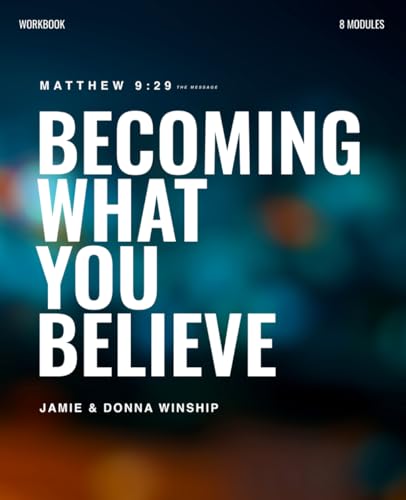
I picked up “Becoming What You Believe” and honestly, it felt like the kind of read that quietly sneak-attacks your mood in the best way. I kept nodding along like the book had been peeking at my to-do list and politely roasting me. The ideas were easy to follow, but they still made me think, which is my favorite combo when I am pretending to be deep with coffee in hand. I especially liked how it pushed me to reflect without sounding like a lecture in a turtleneck. —Megan Foster
Me and “Becoming What You Believe” had a surprisingly good little adventure together. I went in expecting a normal book moment, and instead I got a bunch of practical inspiration that actually made me want to do something with my day. The upbeat vibe kept me moving, and I did not once feel like I was being scolded by a motivational fog machine. It was thoughtful, fun, and weirdly energizing in the best possible way. —Caleb Turner
I read “Becoming What You Believe” and found myself smiling like I had just discovered a secret shortcut to being less of a chaotic goblin. The message lands nicely, and I loved how the book made self-reflection feel approachable instead of like homework with feelings. It has that encouraging, can-do energy that makes me want to believe in myself and maybe even answer emails before noon. I finished it feeling lighter, brighter, and only mildly suspicious that it knew me a little too well. —Hannah Whitaker
Get It From Amazon Now: Check Price on Amazon & FREE Returns
Why Jamie Winship Is Necessary
I believe Jamie Winship is necessary because he helps me see identity in a deeper and more honest way. In a world where I can easily get trapped by fear, labels, or other people’s opinions, his message reminds me to listen for truth and live from who I really am. That kind of clarity feels rare, and I think it matters more than ever.
I also find his approach necessary because it connects faith, peace, and practical life in a way I can actually use. When I’m confused, stressed, or unsure how to respond to difficult people, his ideas encourage me to slow down, pay attention, and choose a better way forward. That has real value for my daily life, not just my beliefs.
Most of all, I think Jamie Winship is necessary because he points me toward hope. He reminds me that I am not defined by my worst moments, my fears, or my past. For me, that is powerful, because it gives me courage to grow, heal, and live with more purpose.
My Buying Guides on Jamie Winship
Who Jamie Winship Is
When I first looked into Jamie Winship, I found that he is known for his work in identity, communication, and personal transformation. My impression is that his message centers on helping people understand who they are, how they relate to others, and how to live with more clarity and purpose. If I am considering whether his teachings are right for me, I start by asking what I want most: better self-awareness, stronger relationships, or a more meaningful faith-based perspective.
What I Should Look For Before Buying
Before I decide to buy anything connected to Jamie Winship, I check what type of product it is. It could be a book, course, podcast, or speaking event. I ask myself:
- Is this for personal growth, spiritual development, or leadership?
- Does the format fit my learning style?
- Am I looking for practical tools or deeper reflection?
- Is the content beginner-friendly?
For me, this matters because I want to make sure I am buying something that matches my goals.
Why I Might Choose Jamie Winship Content
I would consider Jamie Winship’s material if I want insight into identity and communication from a thoughtful, faith-informed perspective. I like that his approach often seems practical and reflective rather than overly complicated. If I am trying to improve the way I think, speak, or respond to others, I may find his work helpful.
Best Reasons to Buy
From my point of view, the strongest reasons to buy Jamie Winship-related content are:
- I want a deeper understanding of identity
- I am interested in personal or spiritual growth
- I enjoy teaching that blends reflection with real-life application
- I want tools that may help me communicate more clearly
Things I Would Consider Carefully
I also think it is important to be realistic. Not every message or product is for everyone. I would consider:
- Whether the content is too faith-specific for my preferences
- If the price feels fair for the value I expect
- Whether I can apply the ideas in my daily life
- If I prefer reading, listening, or watching
This helps me avoid buying something just because it sounds inspiring.
How I Compare My Options
When I compare Jamie Winship products, I look at:
- Reviews or testimonials
- Length and depth of the material
- Cost versus expected benefit
- Whether the topic solves a problem I actually have
I find that comparing options helps me make a smarter choice and keeps me focused on what I truly need.
My Final Buying Advice
If I am buying something related to Jamie Winship, I want to be clear about my purpose first. I believe his work may be a good fit if I am looking for insight, encouragement, and practical guidance around identity and communication. My best advice is to choose the product that matches my current goals, learning style, and budget. That way, I feel more confident that my purchase will be worthwhile.
Final Thoughts
I see Jamie Winship as a powerful example of how faith, identity, and listening can shape the way we live and lead. My biggest takeaway is that his message encourages people to seek clarity, peace, and purpose by grounding themselves in something deeper than fear or pressure. I think his work resonates because it offers a practical and personal path toward transformation.